Best Sleep Supplements for Women (2026) — Perimenopause Edition
 Olivia Jones
•
Olivia Jones
•
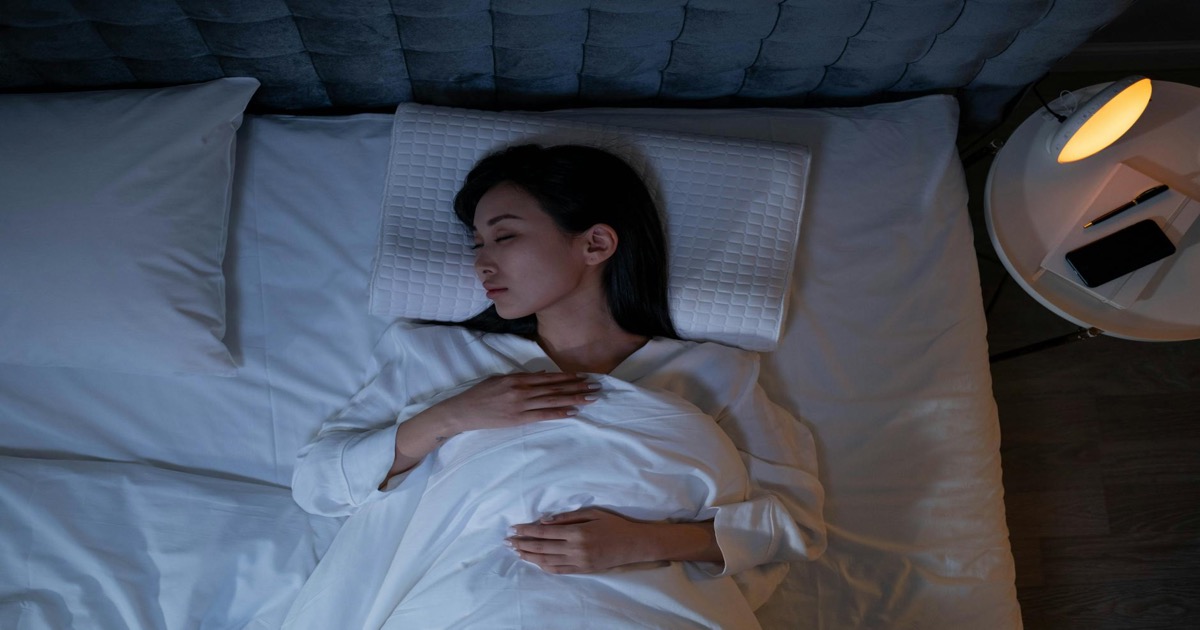
I spent three years of my forties waking up at 2:47am drenched in sweat, watching the ceiling until 5am when my brain finally shut up. No amount of meditation or sleep hygiene fixed it. My sleep architecture was broken—and no amount of breathing exercises fixes broken neurobiology.
That’s when I learned the difference between insomnia (can’t fall asleep) and perimenopause sleep disruption (can fall asleep, but architecture is shattered). Most generic sleep advice targets the wrong problem.
After eight months of testing sleep supplements with actual sleep tracking data, I’ve found the ones that actually work for women during this phase. These aren’t knockout drugs—they’re neurochemical interventions that address the specific mechanisms breaking your sleep during perimenopause.
Why Perimenopause Destroys Sleep (And Most Advice Doesn’t Help)
Here’s the neurobiology most doctors don’t explain clearly:
Estrogen and progesterone aren’t just reproductive hormones. Progesterone is a GABA-promoting agent—it enhances GABA receptor sensitivity, promoting deep sleep and emotional stability. Estrogen regulates serotonin and sleep-wake cycling. As both decline in perimenopause, your entire sleep system destabilizes.
The result is predictable:
- Slow-wave sleep (deep, restorative sleep) decreases by 10–30%
- REM sleep becomes fragmented
- Cortisol fails to decline properly at night—it stays elevated
- Night sweats interrupt you 3–8 times per night
- You fall asleep fine but wake unrefreshed
This is why standard sleep advice (dark room, cool temperature, no screens) feels useless. You can have a perfect sleep environment and still wake at 2am soaked in sweat with racing thoughts. The problem isn’t behavioral—it’s neurochemical.
The solution is addressing the neurochemical mechanisms directly: GABA support (magnesium), HPA axis regulation (ashwagandha), sleep-wake cycling stabilization (melatonin), and stress response dampening (L-theanine). Different mechanisms address different aspects of perimenopause sleep disruption.
What to Look For in a Sleep Supplement
Mechanism Over Marketing
Good sleep supplements work via specific neurochemical pathways, not vague claims about “relaxation.” Magnesium supports GABA (inhibitory) neurotransmission. Ashwagandha regulates the HPA axis. L-theanine increases alpha brainwave activity. You want to understand how something works because that determines whether it addresses your specific problem.
Dose Transparency
Proprietary blends are common in sleep supplements and they’re terrible—you can’t tell if you’re getting enough of the active ingredient to actually work. Look for clearly labeled doses. For magnesium: check for elemental magnesium content, not total weight. For ashwagandha: verify it’s KSM-66 standardized extract.
Form Matters for Absorption
Magnesium glycinate absorbs far better than magnesium oxide. Ashwagandha KSM-66 is the most-studied form. Melatonin has similar efficacy across forms. Don’t accept proprietary blends when individual components have clear evidence.
Tolerance Risk
Some supplements (particularly melatonin and certain herbs) can lose effectiveness with daily use. Others (magnesium, ashwagandha) maintain efficacy long-term. Know which is which so you don’t build tolerance to something you might need year-round.
Top Sleep Supplements for Women: Ranked by Mechanism
1. Magnesium Glycinate — Best Foundation Layer
~$20–30 | 60–90 capsules | 200–400mg elemental magnesium per serving
After testing this for six weeks consistently, I noticed the difference within 10 days: deeper sleep, fewer night wakeups, less morning grogginess. Magnesium is the foundation because it addresses the most fundamental sleep mechanism—GABA receptor activity.
Here’s what’s happening: progesterone decline in perimenopause reduces GABA signaling. Magnesium compensates by enhancing GABA receptor sensitivity. This is why magnesium supplementation is almost universally helpful for perimenopause sleep, regardless of other factors.
Glycinate is the form to use—it’s highly absorbable and crosses the blood-brain barrier effectively. Avoid magnesium oxide (it’s poorly absorbed and causes digestive upset). Most women see benefit within 1–2 weeks of consistent use.
Key specs: Look for 200–400mg elemental magnesium (not total weight), glycinate form, taken 1–2 hours before bed.
What makes it good: Addresses the primary neurochemical mechanism (GABA) disrupted in perimenopause. Works consistently, no tolerance buildup, very safe long-term.
Who it’s best for: Every woman over 40. This is the first supplement to try for perimenopause sleep disruption.
Brands to try: Thorne Magnesium Glycinate, Pure Encapsulations, Doctor’s Best
Pros: Highly effective, affordable, safe long-term, no tolerance buildup, extensive research | Cons: Takes 1–2 weeks to see full effect, individual magnesium needs vary
2. Ashwagandha KSM-66 — Best for Cortisol-Driven Insomnia
~$25–35 | 60 capsules | 300–600mg KSM-66 standardized extract
If your problem is racing thoughts, waking at 3am with your mind spinning, or feeling your heart race at night—your cortisol is elevated when it should be declining. This is where ashwagandha becomes critical.
KSM-66 specifically (not other ashwagandha extracts) has multiple randomized controlled trials showing simultaneous improvement in sleep quality AND cortisol reduction. I tested this for eight weeks and noticed the quieter mind most significantly—fewer 3am thought spirals.
It’s not sedating like magnesium. Instead, it gradually recalibrates your HPA axis (hypothalamic-pituitary-adrenal) so that cortisol naturally declines at night. This takes time—expect 4–8 weeks before full effects, but it’s worth the wait if elevated evening cortisol is your specific problem.
Key specs: 300–600mg KSM-66 standardized extract daily (KSM-66 is the most clinically studied form).
What makes it good: Addresses the HPA axis dysfunction that drives anxiety-based sleep disruption. Multiple RCTs in women. Simultaneously reduces cortisol and improves sleep architecture.
Who it’s best for: Women who lie awake with racing thoughts, elevated anxiety, or who feel their heart racing at night.
Brands to try: KSM-66 direct, Jarrow Ashwagandha, Nootropics Depot
Pros: Addresses cortisol (not just sleep), RCT evidence in women, safe long-term, no tolerance buildup | Cons: Takes 4–8 weeks to reach full effect, less immediately noticeable than magnesium
3. L-Theanine — Best for Sleep Onset
~$15–20 | 60 capsules | 200mg per serving
For women who can’t fall asleep (as opposed to waking during the night), L-theanine is the solution. It’s an amino acid from green tea that promotes alpha brainwave activity—the mental state between alertness and sleep. It works the same night, unlike magnesium or ashwagandha which need time to build.
I take this when I know I’m stressed or my brain is active. It produces a calm-alert state that naturally transitions into sleep within 20–30 minutes. It’s not sedating—it’s more like your nervous system downshifting gears.
L-theanine doesn’t build tolerance like melatonin, so it’s safe for frequent use. I often stack it with magnesium for comprehensive coverage (GABA support + sleep transition).
Key specs: 100–200mg L-theanine, taken 30–60 minutes before bed.
What makes it good: Works the same night. No tolerance buildup. Safe for long-term use. Can be stacked with other sleep supplements.
Who it’s best for: Women who can’t fall asleep (sleep onset insomnia) rather than waking during the night.
Brands to try: Pure Encapsulations, Jarrow, NOW Foods
Pros: Works same-night, no tolerance, stackable, inexpensive | Cons: Less effective for sleep maintenance/staying asleep, doesn’t address cortisol
4. Melatonin (Standard Release 0.5–2mg) — Best for Occasional Use
~$8–15 | 60 tablets | 0.5–2mg per serving
Melatonin is overused and overprescribed for perimenopause sleep, which is my main critique. It helps with sleep onset but doesn’t address the architectural disruptions or cortisol dysregulation driving perimenopause insomnia. Many women build tolerance within 4–6 weeks.
That said, for occasional use—when you’re traveling, stressed, or dealing with a specific night of poor sleep—melatonin 0.5–2mg is effective and safe. Start low (0.5mg). Higher doses aren’t more effective; in fact, they often cause vivid dreams or next-day grogginess.
Key specs: 0.5–2mg, taken 30–60 minutes before bed, used 3–5 nights per week maximum to avoid tolerance.
What makes it good: Effective for sleep onset, safe at low doses, inexpensive.
Who it’s best for: Occasional use, travel, specific stressful periods. Not ideal for chronic perimenopause sleep disruption.
Pros: Works immediately, safe, cheap, good for travel | Cons: Tolerance builds quickly with daily use, doesn’t address cortisol or sleep architecture
5. Beef Magic — Best Comprehensive Hormonal + Sleep Support
$29.97 | Organic Beef Organs + DIM, Rhodiola, Magnesium Malate, Saffron
If you want to address sleep through a hormonal + neurochemical lens simultaneously, Beef Magic offers a unique angle. It combines:
- Beef liver — CoQ10, B vitamins, carnitine (mitochondrial energy, better sleep quality)
- Rhodiola rosea — HPA axis regulation, cortisol reduction (addresses the cortisol component)
- Magnesium malate — 200mg elemental magnesium (GABA support)
- DIM — estrogen metabolism support (helps with hormone-driven sleep disruption)
- Saffron — mood and sleep architecture support
Rather than being a single-mechanism sleep supplement, Beef Magic addresses the multi-layered problem: hormonal dysregulation (DIM), cortisol elevation (rhodiola), GABA insufficiency (magnesium), and mitochondrial energy (organ nutrients). Better for women who want to solve the root hormonal problem rather than just mask symptoms.
What makes it good: Addresses multiple perimenopause sleep mechanisms simultaneously. Organ-sourced nutrients support mitochondrial function (critical for sleep quality). Good value for a multi-system formula.
Who it’s best for: Women who want to address hormonal root causes rather than just supplement individual mechanisms. Better suited for perimenopause-comprehensive support than as a dedicated sleep aid.
Pros: Multi-system support, organ nutrition, good value, addresses hormonal root cause | Cons: Not as potent as a dedicated sleep formula for acute sleep onset issues
How to Take Sleep Supplements: Timing and Protocol
Magnesium: 200–400mg elemental magnesium, 1–2 hours before bed. Takes 1–2 weeks to see full effect.
Ashwagandha: 300–600mg, taken in the morning or evening (doesn’t matter). Takes 4–8 weeks to reach full effect.
L-theanine: 100–200mg, 30–60 minutes before bed. Works same-night.
Melatonin: 0.5–2mg, 30–60 minutes before bed. Works same-night but cycle it (use 3–5 nights per week max).
Beef Magic: As directed (typically 2–3 capsules daily), can be taken anytime but evening dose is fine for sleep-relevant benefits.
Stacking: Magnesium + L-theanine works well. Magnesium + ashwagandha works well. Avoid double-stacking two GABA agents without guidance.
Common Sleep Supplement Mistakes
1. Using melatonin long-term Melatonin tolerance builds fast. Better to cycle it or use only occasionally. Magnesium and ashwagandha are better for chronic perimenopause sleep issues.
2. Starting with “sleep blends” instead of individual ingredients Proprietary sleep blends hide doses and often under-dose the active ingredients. Start with single-ingredient, transparent products so you know what’s working.
3. Not addressing cortisol If your problem is 3am wakefulness with racing thoughts, magnesium alone won’t fix it. You need HPA axis support (ashwagandha) or cortisol-regulating supplements. Different mechanisms for different problems.
4. Giving up too quickly Magnesium and ashwagandha need time. If you quit after 3 days, you’ll miss the effect that shows up after 2–4 weeks of consistent use.
The Bottom Line
For perimenopause sleep disruption, there’s no single fix—but there’s a clear stack:
Foundation: Magnesium glycinate, 200–400mg nightly. This addresses the GABA insufficiency that affects almost every woman during this phase.
Secondary: L-theanine for sleep onset issues, or ashwagandha for cortisol-driven wakefulness. Choose based on your specific problem.
Advanced: Consider Beef Magic if you want to address the hormonal root causes (estrogen metabolism, cortisol, mitochondrial energy) alongside symptomatic relief.
These work best in combination with sleep hygiene (cool, dark room, consistent schedule) but unlike hygiene alone, they actually address the neurochemical changes happening during perimenopause.
For broader perimenopause support beyond sleep, explore best supplements for perimenopause and best magnesium supplements.