Best Protein Powder for Women in 2026: No Fillers, No Fairy Dust
 Olivia Jones
•
Olivia Jones
•
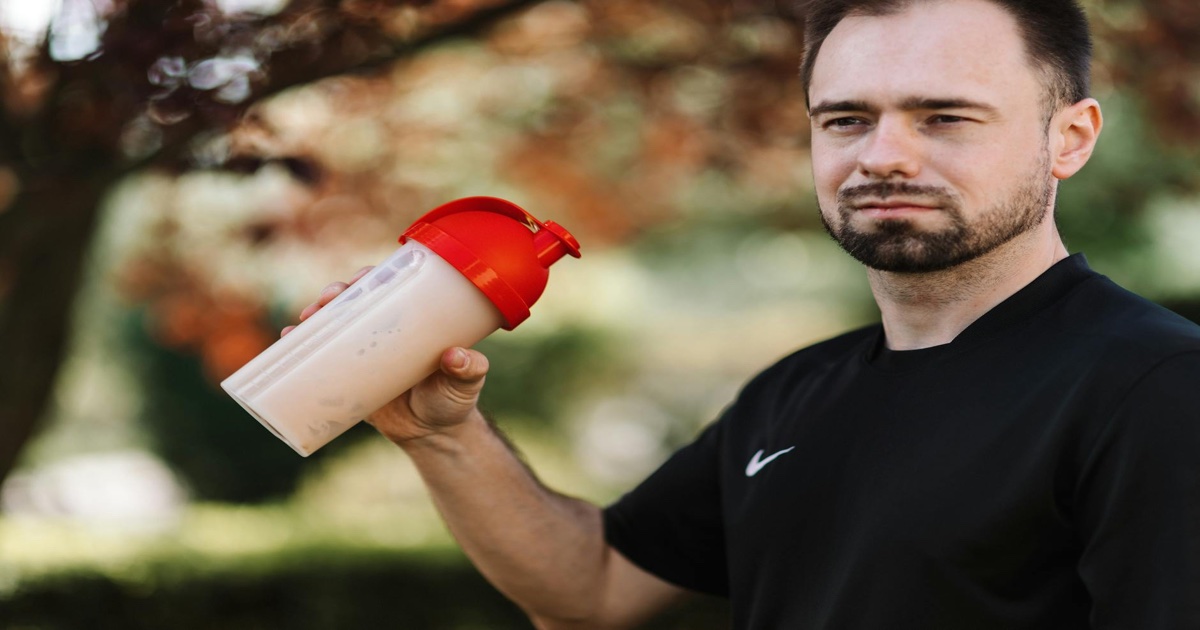
Protein requirements for women are consistently underestimated. The RDA of 0.8g per kilogram of bodyweight is a minimum to avoid deficiency — not an optimal target for muscle maintenance, satiety, metabolic health, or the accelerated muscle loss that begins in perimenopause.
Most sports nutrition protein powders were designed around male physiology and male marketing. The women’s versions are often the same formula in a pastel tub, occasionally with added collagen or biotin to justify the positioning. A few brands have done better than that.
Here’s what we found.
How Much Protein Do Women Actually Need?
For active women and women over 40, research consistently supports 1.2–1.6g per kilogram of bodyweight as an optimal range — roughly double the standard RDA. The case for the higher end is stronger if you’re doing resistance training, managing your weight, or in perimenopause (muscle loss accelerates as estrogen declines, and adequate protein intake is one of the most evidence-backed interventions for preserving lean mass).
If you’re eating 3 solid meals per day with good protein sources, a powder supplement fills gaps rather than forming the foundation. If you’re frequently skipping meals or eating mostly plant-based, it becomes more essential.
Types of Protein: A Practical Summary
Whey concentrate — fast-absorbing, complete amino acid profile (contains all essential amino acids), affordable, approximately 70–80% protein by weight. Small amount of lactose — most people tolerate it fine; a minority don’t.
Whey isolate — further processed to remove most fat and lactose. 90%+ protein by weight. Better for lactose-sensitive women and slightly faster absorption. More expensive than concentrate.
Casein — slow-digesting dairy protein. Particularly useful taken before sleep for overnight muscle protein synthesis. Less practical as an on-the-go option.
Plant-based blends — soy is a complete protein but some women avoid it due to phytestrogen content; pea + rice blended at roughly 70/30 provides a complete amino acid profile comparable to whey. Best plant option for most women.
Collagen protein — not a substitute for whey or plant protein. Collagen is low in several essential amino acids (particularly leucine, which drives muscle protein synthesis). Good for joints and skin as a standalone, but shouldn’t be the primary protein source.
Our Top Picks
1. Momentous Whey Isolate — Best Premium Whey
Informed Sport certified (third-party tested for banned substances and label accuracy). 20g protein per serving, minimal ingredients, no artificial sweeteners. Slightly chalky texture in the unflavored version — worth it for the quality assurance. Particularly popular among women who care about what’s actually in the tub.
Rating: 9.3/10 | Price: ~$55 for 30 servings | Whey isolate
2. Orgain Organic Protein (Plant-Based) — Best Plant Protein
Pea + brown rice + chia blend, 21g protein per serving, clean organic certification, genuinely palatable in chocolate and vanilla flavors. The go-to plant option for women who don’t do dairy. Slightly lower leucine content than whey means slightly less potent muscle protein synthesis stimulus — offset by taking slightly more (25–30g) per serving.
Rating: 8.8/10 | Price: ~$35 for 20 servings | Plant blend
3. Thorne Whey Protein Isolate — Best for Clean Label
NSF certified, minimal ingredients, good amino acid profile. Less widely known than the big sports nutrition brands but consistently clean. Unflavored version works in savoury applications (soups, sauces) as well as smoothies.
Rating: 8.7/10 | Price: ~$58 for 30 servings | Whey isolate
4. Garden of Life Sport Organic Plant Protein — Best Certified Plant Option
USDA Organic, NSF Sport certified, 30g protein per serving from pea, navy bean, lentil, and sprouted grain blend. Higher protein per serving than most plant options. Slightly grittier texture than whey-based products — add to blended smoothies rather than shaking in water.
Rating: 8.4/10 | Price: ~$45 for 19 servings | Plant blend
5. Levels Grass-Fed Whey — Best Value Whey
Clean ingredients, grass-fed sourcing, no artificial sweeteners. Lower price point than Momentous or Thorne without meaningfully compromising quality. The best value entry point for women who want grass-fed whey without paying premium brand prices.
Rating: 8.2/10 | Price: ~$38 for 25 servings | Whey concentrate/isolate blend
What the Labels Don’t Tell You
Amino acid spiking. Some brands inflate their protein content by adding cheap amino acids (glycine, taurine, creatine) that count as protein by weight but don’t have the same muscle-building effect as intact protein. Third-party certification (NSF, Informed Sport) catches this.
Serving size manipulation. A powder with 25g of protein per 40g serving has 62.5% protein content. A powder with 20g of protein per 25g serving has 80% protein content. The second is a higher-quality product despite the lower absolute protein number.
Artificial sweetener load. Sucralose and acesulfame potassium are used pervasively to make protein powders palatable. There’s growing evidence of gut microbiome disruption at the doses some heavy protein powder users accumulate over time. If you’re taking protein daily, the sweetener choices matter.
Heavy metal contamination. Plant-based proteins in particular can concentrate heavy metals from soil. Third-party testing specifically for heavy metals (the Clean Label Project does this independently for major brands) is worth checking if you’re using a plant protein daily.
FAQ
How much protein per serving should I look for? 20–25g per serving is the typical range for optimizing muscle protein synthesis per dose. More than 40g in a single serving provides diminishing returns — excess is oxidised rather than used for muscle synthesis.
Is protein powder safe for women long-term? High-quality protein powders are food-grade products and safe for long-term daily use for most healthy women. Women with kidney disease should consult a doctor before significantly increasing protein intake.
Should women use protein powder differently than men? The fundamentals are the same — adequate total daily protein, leucine-rich sources for muscle synthesis. Women typically need fewer absolute grams due to lower bodyweight and muscle mass, but per-kilogram requirements are similar.
Can protein powder help with perimenopause weight management? Adequate protein intake is one of the most consistently supported interventions for preserving lean muscle mass during perimenopause, which supports metabolic rate and makes weight maintenance meaningfully easier. A protein supplement is a practical way to hit daily targets without excess calories.
Is whey or plant protein better for women? If tolerated, whey isolate has a slight advantage for muscle protein synthesis due to higher leucine content and faster absorption. For women who are lactose-sensitive, avoid dairy, or prefer plant-based eating, a quality pea + rice blend is a close second and well-studied.
Disclaimer: This content is for informational purposes only. Consult a healthcare professional before starting any supplement.
Affiliate Disclosure: We may earn a commission on purchases made through links in this article, at no additional cost to you.