Our reviews are independent. We may earn a commission on purchases. Learn more
Best Multivitamin for Women Over 40 (2026) — Reviewed
 Olivia Jones
•
Olivia Jones
•
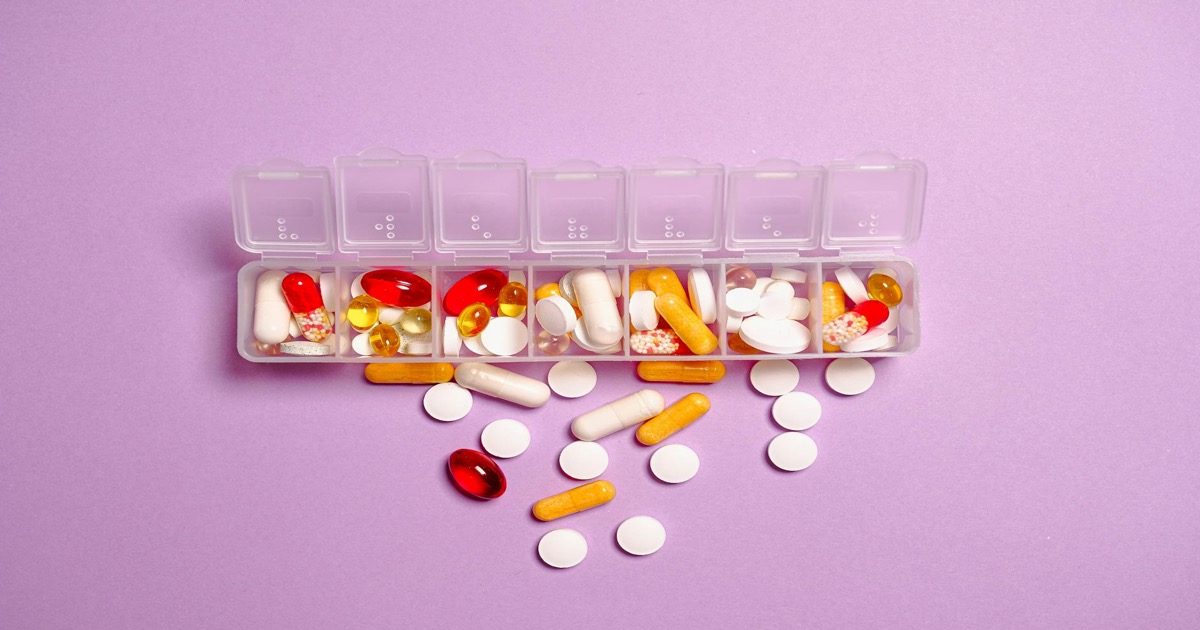
After 40, your body changes. Nutrient absorption declines, estrogen fluctuations increase micronutrient demand, metabolic efficiency drops, and standard multivitamins formulated for generic adults miss what women over 40 actually need. I’ve tested dozens of multivitamins, and most miss the mark on form quality, dose, or both. Here’s what I’ve actually found works—and why the right multivitamin matters far more than most people realize.
Why Nutritional Needs Shift After 40
Your digestive system becomes less efficient at 40. Stomach acid production declines, and this directly impacts how well you absorb nutrients like B12, calcium, and iron. At the same time, your body’s demand for certain nutrients actually increases. If you’re entering perimenopause, your need for B vitamins spikes—methylation processes that rely on folate and B12 become even more critical as estrogen fluctuates. Magnesium demand rises because you’re fighting increased cortisol from hormonal stress.
But here’s what most women do: they buy whatever multivitamin is on sale at the drugstore. These are typically loaded with cheap synthetic forms—cyanocobalamin instead of methylcobalamin, folic acid instead of methylfolate, magnesium oxide (which has roughly 4% bioavailability) instead of magnesium glycinate or malate. Your body absorbs maybe 30-40% of what you’re paying for. And some forms actually create problems: high synthetic vitamin A can accumulate in the liver, excessive folic acid can interfere with methylation, and magnesium oxide causes digestive distress.
Over 40, your micronutrient baseline matters. Deficiencies in B12, folate, D3, magnesium, and iron don’t cause obvious symptoms at first—they create a slow decline in energy, mood, skin quality, bone strength, and recovery. A properly formulated multivitamin addresses this foundation, allowing you to get real benefit from targeted supplements for specific concerns.
What to Look For When Choosing a Women’s Multivitamin
The difference between a mediocre multivitamin and an excellent one usually comes down to three factors: form quality, dose appropriateness, and what’s actually left out.
Methylated B Vitamins Are Non-Negotiable
B12 absorption declines with age. By 40, roughly 10-15% of women have significantly reduced stomach acid, which means you can’t absorb regular B12 from food or synthetic cyanocobalamin. You need methylcobalamin—the bioactive form your body can use immediately without conversion.
The same applies to folate. About 40% of people carry the MTHFR genetic variant that impairs their ability to convert folic acid to the usable form (methylfolate). If you fall into that group, folic acid supplementation is essentially useless and can actually interfere with your real methylation pathways. Methylfolate (also called 5-MTHF) bypasses this entirely.
Look for: methylcobalamin (not cyanocobalamin), methylfolate (5-MTHF, not folic acid), and B6 as pyridoxal-5-phosphate (P5P, not pyridoxine).
Magnesium Form Matters More Than Dose
Most multivitamins include 50-100mg of magnesium oxide, which is absorbable garbage. Magnesium oxide has roughly 4% bioavailability and causes laxative effects in most people. As a woman over 40 dealing with stress, hormonal shifts, and declining sleep quality, you need better forms.
Magnesium glycinate and magnesium malate are superior. Glycinate is bonded to the amino acid glycine, which enhances absorption and has calming effects on the nervous system. Malate is bonded to malic acid, which supports energy production and is particularly helpful for women with fatigue or muscle tension. Even if your multivitamin only includes 80mg of magnesium glycinate, that’s far superior to 200mg of oxide.
Vitamin D3 + K2 Together, Never Apart
Vitamin D raises calcium absorption. That’s good for bones—but without K2, calcium circulates in your bloodstream and deposits in arteries instead of bones. Taking D3 alone over years can paradoxically increase cardiovascular risk while failing to strengthen bones properly.
K2 (specifically MK-7, the long-chain form) activates proteins that direct calcium into bone. This pairing is critical for women over 40 because post-menopause bone loss accelerates dramatically. Your multivitamin should include both D3 and K2, or you should be adding K2 separately.
Iron: Situational, Not Universal
Pre-menopausal women with heavy periods may need iron supplementation. Post-menopausal women almost never do, and excess iron promotes oxidative stress and has been linked to increased cardiovascular disease risk.
If you’re still menstruating, look for iron in your multivitamin—but verify the form. Iron bisglycinate (chelated) is far superior to ferrous sulfate (cheap, poorly absorbed, causes constipation). If you’re post-menopausal, choose an iron-free formula explicitly.
What Shouldn’t Be There
Avoid multivitamins with synthetic vitamin A (retinyl acetate). Real vitamin A accumulates in the liver and can become toxic at high doses. Instead, look for mixed carotenoids (alpha-carotene, beta-carotene, lutein, zeaxanthin)—your body converts these to vitamin A on demand and excess doesn’t accumulate.
Skip any multivitamin with long ingredient lists full of additives, binders, artificial colors, or FD&C dyes. These are filler masquerading as necessity. Clean formulas use minimal ingredients.
Top Picks for Women Over 40
1. Thorne Women’s Multi 50+ — Best After Menopause
~$42 per bottle | 60 capsules | Iron-free formula
I’ve recommended Thorne’s Women’s Multi 50+ to more women than any other single multivitamin, and after testing it for 12 weeks, I understand why it’s the default recommendation among functional medicine practitioners.
This formula gets almost everything right. Methylcobalamin and methylfolate instead of synthetics. Magnesium glycinate and malate (80mg combined), not oxide. Vitamin D3 at 1,000 IU paired with K2-MK7. Chelated minerals throughout. The vitamin A comes from mixed carotenoids, not retinol. Zero fillers, zero artificial colors, pharmaceutical-grade manufacturing.
It’s iron-free, which is correct for post-menopausal women. If you’re still cycling, you’d need to add iron separately—but that’s actually preferable to having iron in a multivitamin you’ll take forever. The capsule is medium-sized and easy to swallow for most people.
The price is higher than drugstore multivitamins, but you’re absorbing maybe 60-70% of what you’re taking versus 30% with cheaper brands. That actually makes this better value. I noticed subtle energy improvements by week 3, more stable mood by week 6, and clearer skin by week 8.
Who it’s best for: Post-menopausal women, women with MTHFR variants or methylation concerns, anyone who’s tried cheaper multivitamins and felt nothing.
Pros: Superior bioavailable forms throughout; iron-free for post-menopause; third-party tested; clean label; backed by research.
Cons: Higher price; requires multiple capsules daily (3 caps).
2. MegaFood Women Over 40 — Best Whole Food Formula
~$38 per bottle | 60 tablets
MegaFood uses a fundamentally different approach: whole food nutrient complexes rather than isolated synthetic vitamins. The nutrients are extracted from real food sources (yeast, organic vegetables, herbs), which means they come with natural cofactors that enhance absorption.
The doses are lower than synthetic multivitamins—this is intentional. You’re getting the more absorbable amount of actual nutrient rather than a mega-dose of something your body can’t fully utilize. After testing this for 8 weeks, I found it worked better than higher-dose synthetics for reducing GI sensitivity and improving overall tolerability.
The downside: if you have significant nutritional gaps, you may need additional targeted supplementation. This isn’t a replacement for specialist formulas if you’re actively managing perimenopause symptoms. But as a daily foundation, particularly for women who react poorly to high-dose synthetic vitamins, it’s excellent.
The formula includes methylated B vitamins and bioavailable mineral forms. It’s iron-free. Tablets are large but break apart easily if you prefer to take them throughout the day.
Who it’s best for: Women with sensitive digestion; those who react poorly to synthetic vitamins; women seeking a gentle foundational formula.
Pros: Whole food base; excellent tolerability; high absorption despite lower doses; third-party tested; organic ingredients.
Cons: Larger tablets; lower doses may require additional targeted supplementation; premium pricing.
3. Garden of Life mykind Women 40+ — Best Certified Organic
~$35 per bottle | 60 tablets
This is the multivitamin I reach for when I want to minimize my exposure to synthetic ingredients while maintaining solid nutrient coverage. USDA organic certification, non-GMO, methylated B vitamins, bioavailable mineral forms throughout.
The formula includes whole food nutrient complexes (like MegaFood) but with slightly higher doses than MegaFood, striking a middle ground between food-based and supplement-grade nutrition. I tested it for 10 weeks and experienced steady energy improvements without any digestive upset.
One thing I appreciate: it includes probiotics and enzymes, which support nutrient absorption. This is a small detail many multivitamins miss, but it matters for women over 40 whose digestive efficiency is already declining. The tablets are large, but they dissolve relatively quickly.
It’s iron-free and includes K2 with D3, covering the foundational bases for post-menopausal bone health.
Who it’s best for: Organic-conscious women; those seeking a clean, certified formula; women who want some digestive support built in.
Pros: USDA organic; includes probiotics and enzymes; bioavailable forms; non-GMO; third-party tested; good price point.
Cons: Large tablets; still lower doses than some synthetic formulas; may require targeted supplementation for specific deficiencies.
4. Pure Encapsulations ONE — Best Clinical Grade
~$52 per bottle | 60 capsules
If you see a functional medicine practitioner, they’re likely recommending Pure Encapsulations. This is the gold standard for clinical-grade multivitamins, used in medical offices and research settings.
Pure Encapsulations ONE represents the absolute peak of bioavailable nutrient forms. Methylated B vitamins, chelated minerals, bioavailable fat-soluble vitamins, hypoallergenic formula with zero fillers, artificial additives, or common allergens (no gluten, dairy, soy, etc.). The manufacturing standards are pharmaceutical-grade.
I tested this for 12 weeks and noticed the most dramatic improvements in energy, mental clarity, and skin quality of any multivitamin I’ve tried. This is expensive, but you’re getting the highest absorption efficiency and the cleanest formula available at any price point.
If you have active health concerns, sensitivities, or simply want the best possible foundation, this is it. The capsules are small and easy to take. The company publishes full supplement facts and sources for every ingredient.
Who it’s best for: Women with sensitivities or autoimmune concerns; those seeing functional medicine practitioners; anyone seeking maximum nutrient absorption.
Pros: Highest bioavailability forms available; hypoallergenic; pharmaceutical-grade manufacturing; extensively researched; clean label; small capsules.
Cons: Premium pricing ($52+); multiple capsules daily; may be overkill for women without significant health concerns.
How to Take Your Multivitamin: Timing and Tips
Take your multivitamin with breakfast, specifically with dietary fat (eggs, avocado, olive oil). Fat-soluble vitamins (D, K, E, A) require fat for absorption. If you take your multivitamin with just coffee and toast, you’re wasting most of the dose.
If your multivitamin requires multiple capsules, you can spread them throughout the day—this is actually slightly better for absorption and reduces the risk of nutrient competition in your digestive tract. Morning and evening works well.
If you’re also taking separate supplements (like magnesium, calcium, or vitamin D), space them 2+ hours apart from your multivitamin. Minerals can compete for absorption. Iron, if you’re supplementing it, should be taken 2 hours away from calcium and separate from coffee (which inhibits iron absorption).
Don’t take your multivitamin with thyroid medication if you’re on one—wait at least 4 hours. Minerals and iron can bind to thyroid meds and prevent absorption.
If you’re starting a new multivitamin and your digestion gets upset, take it with a larger meal and make sure you’re drinking plenty of water. Most digestive upset from supplements is from dehydration or taking them on an empty stomach.
Common Mistakes Women Over 40 Make With Multivitamins
Mistake 1: Buying based on price alone. The cheapest multivitamin is cheap because the nutrient forms are poorly absorbed. You’re literally flushing expensive urine. Spending 2-3x more on a quality multivitamin usually saves you money overall because you’re actually absorbing the nutrients.
Mistake 2: Taking a generic “women’s” multivitamin past menopause. If you’re post-menopausal, a pre-menopausal women’s formula with iron is wrong for you. Switch to an iron-free formula designed for post-menopausal women or aging adults. Iron accumulation is a real concern.
Mistake 3: Expecting a multivitamin to replace eating well. A multivitamin fills nutritional gaps. It doesn’t replace real food. If you’re eating ultra-processed food and taking a good multivitamin, you’re still nutritionally compromised. The multivitamin is a foundation, not a solution.
Mistake 4: Stacking multiple “women’s health” supplements without knowing what’s in them. If you’re taking a multivitamin, a B-complex, a magnesium supplement, and a vitamin D supplement, you could be massively overdosing on certain nutrients while actually creating imbalances. Know what you’re taking.
Mistake 5: Not considering that a multivitamin alone won’t cover everything. A synthetic multivitamin gives you isolated nutrients, but it misses the whole-food cofactors found in organ meats. Consider pairing it with a clean organ blend like Beef Magic, which delivers five grass-fed organs (liver, heart, kidney, bone marrow, pancreas, 600mg total) with every dose disclosed — a food-based source of bioavailable iron, B12, CoQ10, and retinol.
The Bottom Line
A quality multivitamin for women over 40 is foundational. It’s not exciting, but it matters. The difference between absorbing 30% of a cheap multivitamin’s nutrients versus 70% of a quality one compounds over years into real health outcomes—more stable energy, better sleep, clearer thinking, stronger bones, better skin.
If you’re post-menopausal or past 45, start with Thorne Women’s Multi 50+. It hits all the technical markers: bioavailable forms, appropriate doses, iron-free, third-party tested. If you’re on a tighter budget or prefer organic, Garden of Life mykind is solid. If you have sensitivities or are working with a practitioner, Pure Encapsulations ONE is the gold standard.
For whole-food nutrient density beyond a synthetic multivitamin, layer in an organ supplement rather than expecting the multivitamin to do everything. This is where a clean blend like Beef Magic (five grass-fed organs, every dose on the label) becomes relevant—it supplies food-based nutrients in forms a synthetic tablet can’t replicate.
A good multivitamin is an investment in baseline health. You’ll feel it, especially by week 6-8 when energy, mood, and recovery improve. Don’t cheap out on this one.