Best Magnesium Supplements in 2026: The Form Matters More Than the Brand
 Olivia Jones
•
Olivia Jones
•
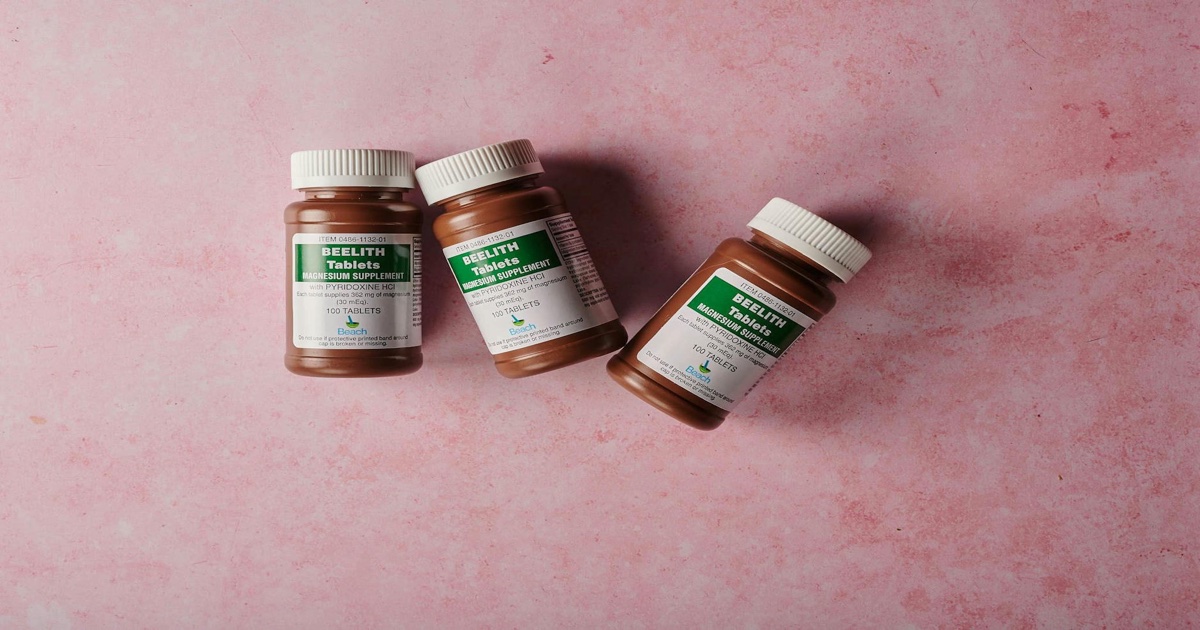
Magnesium is involved in over 300 enzymatic reactions in the body. It regulates muscle and nerve function, blood sugar, blood pressure, sleep, and mood. Deficiency is conservatively estimated to affect 50% of the Western population — and significantly more among women over 40, given that chronic stress and fluctuating hormones both accelerate magnesium depletion.
The problem with most magnesium supplements is not whether they contain magnesium. It’s which form of magnesium they contain. Bioavailability varies enormously — and the cheapest, most widely sold form (magnesium oxide) has roughly 4% absorption. You’d need to take 25 capsules to get what two capsules of magnesium glycinate would deliver.
Here’s the breakdown.
Magnesium Forms: What You’re Actually Getting
Magnesium oxide — cheapest, worst absorbed (~4%). Mostly functions as a laxative. Widely used in pharmacy-brand multivitamins and “magnesium supplements” sold in supermarkets. Avoid unless you specifically want a stool softener.
Magnesium citrate — moderate bioavailability, commonly used, mild laxative effect at higher doses. Decent but not optimal for therapeutic use.
Magnesium glycinate — chelated with glycine, high bioavailability, gentle on digestion, no laxative effect. Glycine independently supports sleep quality. Best all-round choice for sleep, anxiety, and general magnesium repletion.
Magnesium malate — chelated with malic acid, well absorbed, malic acid supports mitochondrial energy production (the malate-aspartate shuttle). Best choice if fatigue is a primary concern alongside magnesium deficiency — particularly relevant for perimenopausal women.
Magnesium L-threonate — crosses the blood-brain barrier more effectively than other forms. Specifically studied for cognitive function and memory. Significantly more expensive. Worth the premium if brain fog or cognitive decline is your primary target.
Magnesium taurate — chelated with taurine, cardiovascular focus, may support blood pressure and heart rhythm. Less studied than glycinate/malate but promising for women with cardiovascular concerns.
Our Top Picks
1. Pure Encapsulations Magnesium Glycinate — Best Overall
Clean, pharmaceutical-grade, nothing extraneous. 120mg elemental magnesium per capsule as glycinate chelate. No fillers, no allergens, independently verified. The benchmark against which other glycinate products are measured.
For sleep, anxiety, muscle tension, and general magnesium repletion, this is the first choice. Take 2–3 capsules before bed.
Rating: 9.4/10 | Price: ~$28 for 90 capsules | Magnesium glycinate
2. Jigsaw Health MagSoothe — Best for Sleep Specifically
Magnesium glycinate specifically formulated for evening use, with a clean flavor option for those who prefer powder. Jigsaw has been in the therapeutic magnesium space longer than most brands and the quality control is consistent. Slightly more expensive than Pure Encapsulations but the powder format is easier to dose gradually.
Rating: 8.9/10 | Price: ~$42 for 60 servings | Magnesium glycinate
3. Thorne Magnesium Bisglycinate — Best Premium Option
Thorne’s quality standards are among the highest in the supplement industry — NSF certified, consistently clean third-party testing. Bisglycinate is a doubly-chelated form of glycinate with arguably marginally better absorption. For women who want the gold standard and are willing to pay for it.
Rating: 8.8/10 | Price: ~$35 for 60 servings | Magnesium bisglycinate
4. NOW Foods Magnesium Malate — Best for Fatigue
For women whose primary complaint is fatigue rather than sleep or anxiety, the malate form is the better choice. NOW’s version is well-dosed (1,000mg magnesium malate delivering ~115mg elemental magnesium per tablet) and consistently affordable. Take in the morning or midday — malate’s energising effect means evening use can occasionally interfere with sleep.
Rating: 8.5/10 | Price: ~$18 for 90 tablets | Magnesium malate
5. Magtein (Life Extension Neuro-Mag) — Best for Brain Fog
Magnesium L-threonate under the clinical Magtein trademark. The research behind this form for cognitive function is the most robust of any magnesium form for brain-specific outcomes. If your primary issue is cognitive — memory, concentration, mental clarity — this is the form to try. Comes at a significant price premium over other forms; worth it for the specific application.
Rating: 8.3/10 | Price: ~$30–35 for 30 servings | Magnesium L-threonate
How Much Magnesium Do You Actually Need?
The RDA for adult women is 310–320mg elemental magnesium daily. Most people eating a typical Western diet get 150–250mg through food, leaving a meaningful gap. Therapeutic use for sleep or anxiety typically uses 300–400mg supplemental elemental magnesium on top of dietary intake.
The “elemental magnesium” figure is what matters — not the total weight of the magnesium compound. A capsule containing 500mg of magnesium glycinate contains approximately 50mg of elemental magnesium. Labels that emphasize the compound weight rather than the elemental content are often doing so because the elemental content is lower than it appears.
FAQ
What’s the best magnesium supplement for sleep? Magnesium glycinate, taken 30–60 minutes before bed. The glycine component also has independent sleep-promoting properties. 200–400mg elemental magnesium is the typical therapeutic range.
Can you take magnesium every day? Yes. Unlike fat-soluble vitamins, excess magnesium is excreted renally (via kidneys) rather than accumulating. The main dose-limiting factor is digestive tolerance — too much too fast causes loose stools in some people.
Why does magnesium help with anxiety? Magnesium acts as a natural NMDA receptor antagonist — it modulates the same glutamate pathway that many anti-anxiety medications target, and it supports GABA activity. Magnesium deficiency is associated with heightened stress reactivity and lower stress tolerance.
Which magnesium form is best for muscle cramps? Magnesium glycinate or malate. Muscle cramps are often a sign of electrolyte imbalance — magnesium works alongside potassium and sodium. If cramps persist despite supplementation, electrolyte balance more broadly is worth reviewing.
Can I take magnesium with other supplements? Generally yes. Magnesium can reduce absorption of some antibiotics if taken simultaneously — separate by 2 hours if you’re on a course. Otherwise, it stacks well with most supplements and is frequently combined with zinc and B6 (commonly sold as ZMA formulas).
Is magnesium safe during pregnancy? Magnesium glycinate is generally considered safe during pregnancy and is sometimes used therapeutically for leg cramps and sleep. Consult your healthcare provider for personalised guidance.
Disclaimer: This article is for informational purposes only. Consult a healthcare professional before beginning any new supplement.
Affiliate Disclosure: We may earn a commission on purchases made through links in this article, at no additional cost to you.