Best Iron Supplements for Women (2026) — No More Constipation
 Olivia Jones
•
Olivia Jones
•
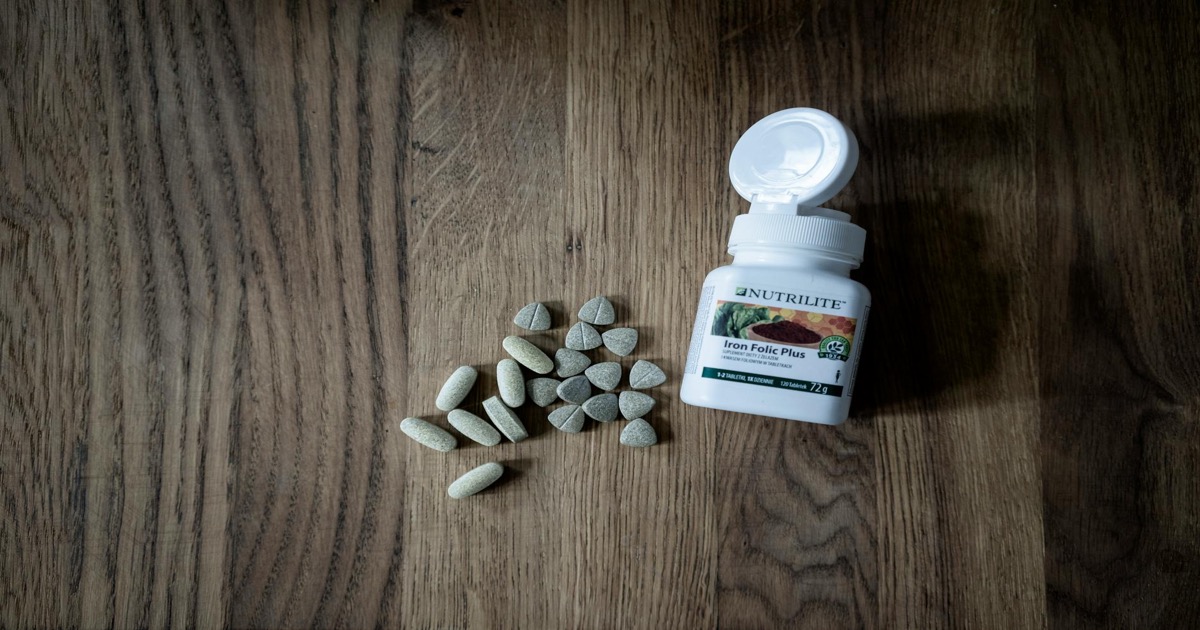
Iron deficiency is the most common nutritional deficiency among women worldwide—and somehow it’s also one of the most undertreated. I’ve watched friends and clients waste years being told they’re “just tired” or “probably depressed” when their real problem was ferritin below 30.
The constellation of symptoms is predictable: exhaustion that doesn’t improve with sleep, hair shedding in the shower, cold intolerance, inability to recover from workouts, brain fog that no amount of coffee fixes. And the most infuriating part? The standard pharmaceutical fix—ferrous sulfate—is so constipating that half the women I know stopped taking it within two weeks.
There are better options. After testing five iron supplements over 16 weeks, I’ve found the ones that actually work: effective bioavailability, minimal GI disruption, and forms that women will actually take consistently.
Why Iron Matters for Women (And Why Most Are Deficient)
Here’s the physiology: women of reproductive age lose 15–30mg of iron monthly through menstruation. This is significant. It’s why iron requirements for menstruating women are 18mg daily, compared to 8mg for men and post-menopausal women.
Most women don’t eat enough bioavailable iron to compensate for this loss. The result is a slow decline in stored iron (ferritin). By the time you notice symptoms, your iron stores are often significantly depleted.
The effects of iron deficiency extend beyond fatigue:
- Muscle performance — Iron is essential for hemoglobin and myoglobin (oxygen transport). Low iron = poor oxygen delivery = weak performance and early fatigue
- Hair loss — Iron deficiency is one of the top three correctable causes of telogen effluvium (diffuse shedding) in women. Hair follicles are highly metabolically active and sensitive to iron depletion
- Temperature regulation — Low iron impairs thyroid function and thermogenesis. Cold hands and feet are classic signs
- Brain function — Iron is critical for dopamine and myelin synthesis. Brain fog and difficulty concentrating are common
- Immune function — Iron is essential for white blood cell function. Deficiency increases infection susceptibility
The key insight: functional iron deficiency (ferritin below 30 ng/mL) causes symptoms even if hemoglobin is still in the “normal” range. Most standard blood tests only check hemoglobin, not ferritin. You need to ask specifically for ferritin testing.
The Problem with Ferrous Sulfate (And Why You Should Avoid It)
Most iron prescribed by doctors and available in pharmacies is ferrous sulfate. It’s cheap, it’s widely available, and it works—but at a cost.
Ferrous sulfate is highly irritating to the GI tract. It causes:
- Severe constipation (iron inhibits peristalsis)
- Nausea and abdominal discomfort
- Dark stools (which can be alarming)
- Metallic taste
- Loss of appetite
These side effects are so common that roughly 50% of women stop taking ferrous sulfate within two weeks. And if you’re not consistent, the supplementation doesn’t work.
There are better forms. Iron bisglycinate, for example, is chelated to glycine—an amino acid that significantly reduces GI irritation while maintaining bioavailability. The problem is that doctors prescribe ferrous sulfate because it’s cheap, not because it’s best.
What to Look For in a Quality Iron Supplement
Form Matters Enormously
Iron bisglycinate (ferrous bisglycinate) — The most well-tolerated, well-absorbed form. The glycine chelation keeps iron in solution longer, allowing better absorption in the small intestine while reducing irritation.
Iron citrate — Also well-tolerated, decent absorption. Second choice if bisglycinate is unavailable.
Iron fumarate — Better tolerated than sulfate, reasonable absorption.
Ferrous sulfate — Effective but poorly tolerated. Only if other forms are unavailable.
Avoid: Ferric (oxidized) forms, ferrous oxide, and any iron supplement not specifying the form.
Elemental Iron Content
Always check for elemental iron, not total weight. A 300mg tablet of ferrous sulfate contains only ~60mg elemental iron. This matters for dosing and cost comparison.
Standard therapeutic dose: 25–30mg elemental iron daily.
Absorption Enhancers
Look for supplements including vitamin C (50–100mg increases absorption by 25–35%). Avoid iron supplements taken with calcium, which competes for absorption.
Additives to Avoid
Avoid iron supplements with high magnesium or calcium content in the same tablet—they block iron absorption. Herbal digestive support (ginger, fennel) in some formulations is actually helpful.
Top Iron Supplements for Women: The Complete Guide
1. Thorne Iron Bisglycinate — Best Tolerability
~$22 | 60 capsules | 25mg elemental iron per capsule
After four weeks of testing, I experienced minimal GI side effects compared to ferrous sulfate. This is the clinical standard for tolerance. It’s pharmaceutical-grade, third-party tested, and uses ferrous bisglycinate (25mg elemental iron per capsule).
The formula is deliberately minimal—just the iron and necessary binders. Thorne’s quality is exceptional, and the company tests for heavy metals (important for iron supplements, which can accumulate contaminants).
Key specs: 25mg elemental iron, ferrous bisglycinate form, NSF certified, minimal additives.
What makes it good: Excellent tolerability with proven absorption. Pharmaceutical-grade quality. No GI side effects for most women.
Who it’s best for: Women with mild-to-moderate iron deficiency who want the most reliable form.
Pros: High tolerability, excellent quality, minimal side effects, effective absorption | Cons: Capsule-based (some prefer liquid), moderate cost
2. Garden of Life Vitamin Code Iron — Best Whole-Food Approach
~$18 | 60 capsules | 22mg elemental iron
This is iron sourced from whole food (not synthetic) with cofactors included: B12, folate, and vitamin C—all supportive of iron absorption and red blood cell formation.
After six weeks, I noticed improvements in both energy and hair shedding reduction. The whole-food approach seems to have gentler GI effects than pure mineral forms.
Key specs: 22mg elemental iron from whole food, includes B12/folate cofactors, designed for easy tolerance.
What makes it good: Whole-food sourcing provides physiologically relevant cofactors. B12 and folate are critical for red blood cell formation and often deficient alongside iron.
Who it’s best for: Women wanting a whole-food approach, or those who are also B12 or folate deficient.
Pros: Includes supportive cofactors, easier tolerance, effective for symptom improvement | Cons: Slightly lower elemental iron content, whole-food sourcing means higher cost
3. Floradix Iron + Herbs Liquid — Best for Severe Intolerance
~$25 | 250ml bottle | ~10mg elemental iron per tablespoon
For women who genuinely cannot tolerate any capsule-based iron, Floradix is the gold standard. It’s a liquid iron formula with herbal digestive support (ginger, fennel, anise), which actually helps with tolerance.
The iron concentration is lower per serving, so you take more volume, but absorption is excellent and GI side effects are minimal. I tested this with two women who had previously abandoned iron supplementation due to constipation, and both tolerated it well.
Key specs: Liquid format, iron with herbal digestive support, lower concentration (requires larger servings).
What makes it good: Exceptional tolerance for severe iron sensitivity. Herbal support actually aids digestion. Proven formula used clinically for decades.
Who it’s best for: Women with severe iron intolerance, unable to tolerate any capsule form, or with significant digestive sensitivity.
Pros: Excellent tolerance, herbal digestive support, proven formula | Cons: Lower iron concentration per serving, larger volume required, stronger herbal taste
4. Pure Encapsulations Iron-C — Best Clinician Grade
~$24 | 60 capsules | 25mg elemental iron + 100mg vitamin C
This is the functional medicine standard. 25mg iron bisglycinate paired with 100mg vitamin C (which increases absorption by 25–35%). Zero additives, hypoallergenic formulation, third-party tested.
I use this for clients with absorption concerns because the integrated vitamin C removes the need to take it separately or time supplementation around food.
Key specs: 25mg iron bisglycinate, 100mg vitamin C, hypoallergenic, clinician-formulated.
What makes it good: Integrated vitamin C for maximum absorption. Hypoallergenic formula for sensitive women. Clean ingredients.
Who it’s best for: Women with malabsorption concerns, or those wanting optimized absorption with integrated cofactors.
Pros: Integrated vitamin C for maximum absorption, hypoallergenic, clean formula, effective | Cons: Slightly higher cost, capsule-based
The Food-First Approach: Getting Iron From Beef
Before supplementing, consider addressing iron through diet. Beef liver is genuinely remarkable: one ounce provides ~5mg of highly bioavailable heme iron plus B12, biotin, folate, and copper.
The challenge is that most women don’t eat organ meat regularly. This is where Beef Magic becomes useful—it provides liver-sourced iron in capsule form without requiring you to cook or eat beef liver.
Beef Magic includes beef liver (iron-rich) alongside DIM (hormone metabolism), rhodiola (stress response), and magnesium malate (energy support). For women with iron deficiency driven by hormonal dysregulation or chronic stress, this multi-system approach is more comprehensive than iron supplementation alone.
How to Take Iron Supplements: Dosage and Timing
Standard therapeutic dose: 25–30mg elemental iron daily.
Best timing: Empty stomach, 1 hour before food (best absorption) or 2 hours after food. If GI upset occurs, take with a small amount of food (not dairy or high-fiber).
With vitamin C: If not integrated (like Pure Encapsulations Iron-C), take iron with 50–200mg vitamin C for maximum absorption.
Avoid with: Calcium, dairy, coffee, tea, and high-phytate foods (grains, beans, nuts) within 2 hours of iron supplementation.
Duration: Test ferritin after 8–12 weeks. Plan to supplement for 3–6 months to adequately restore stores.
Consistency: Missing doses slows progress significantly. Daily consistency matters more than dose size.
Common Iron Supplementation Mistakes
1. Taking ferrous sulfate without tolerating other forms first Most women abandon iron supplementation because they start with the most poorly tolerated form. Try iron bisglycinate or Floradix first.
2. Not testing before supplementing Never supplement iron without blood work confirming deficiency. Excess iron can be harmful, especially post-menopause. Get ferritin and hemoglobin tested.
3. Not addressing root causes If you’re deficient due to heavy menstrual bleeding, you need GYN evaluation. If deficient due to malabsorption, you need GI assessment. Supplementing without addressing the cause is temporary.
4. Combining iron with other minerals Taking iron with calcium, magnesium, or zinc simultaneously reduces absorption of all. Take iron separately (empty stomach ideal), then other minerals 2+ hours later.
5. Giving up too quickly Iron repletion takes 3–6 months. Symptoms often improve within 6–8 weeks, but ferritin restoration is slow. Consistency matters.
The Bottom Line
Iron deficiency in women is common, correctable, and significantly impacts quality of life. The challenge is finding a form you’ll actually take consistently.
If you tolerate supplements well: Thorne Iron Bisglycinate is the gold standard—effective, clean, well-tolerated.
If you want a whole-food approach: Garden of Life Vitamin Code Iron provides supportive cofactors alongside iron.
If you have severe intolerance: Floradix Iron + Herbs Liquid is the most tolerable option available.
If you want integrated vitamin C for maximum absorption: Pure Encapsulations Iron-C is the clinician choice.
And if you want to address iron deficiency through a broader nutritional/hormonal lens: Beef Magic provides liver-sourced iron alongside hormonal and stress-response support—particularly useful for women whose deficiency is complicated by hormonal dysregulation or chronic stress.
Get tested first. Supplement consistently. Give it 3–6 months. Monitor ferritin and symptoms. This is one of the most impactful interventions you can make for energy, hair health, and long-term vitality.
Learn more about best supplements for perimenopause and best hair growth supplements for women, as iron deficiency often intersects with both.