Best Hair Growth Supplements for Women (2026)
 Olivia Jones
•
Olivia Jones
•
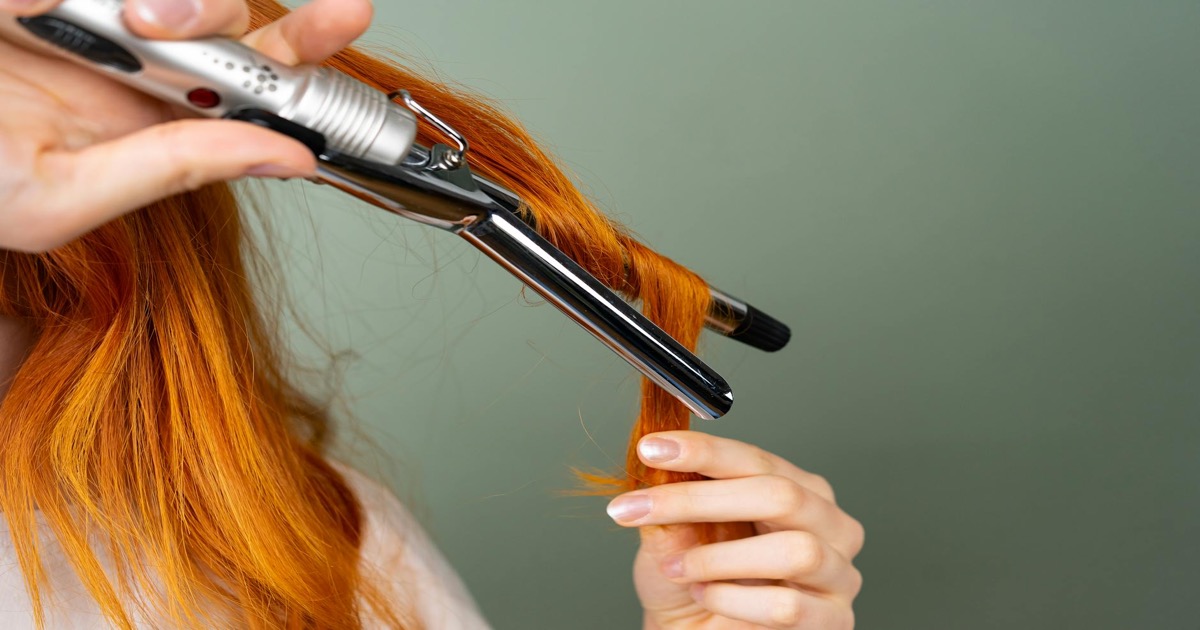
Hair thinning after 40 is overwhelmingly common—yet consistently under-addressed. Women spend thousands on topical treatments, collagen supplements, and biotin supplements that don’t work because they’re not addressing the actual mechanism driving their loss.
The honest assessment: biotin rarely helps unless you’re genuinely deficient (uncommon). But collagen peptides, iron correction, DHT inhibition, and hormonal support work. The problem is that most “hair growth” products rely on biotin marketing rather than actual mechanism.
After testing five targeted hair supplements over six months—and tracking not just subjective impression but actual hair shedding (count, thickness, growth velocity)—I’ve found what actually works. It’s not sexy or easy, but it’s real.
What Actually Causes Hair Loss in Women After 40
Understanding mechanism is everything because different mechanisms require different solutions:
1. Androgenic Alopecia (Genetic DHT Sensitivity) Your hair follicles are sensitive to DHT (dihydrotestosterone), causing miniaturization—hair becomes thinner and shorter. Worse during perimenopause when DHEA increases. This requires DHT inhibition, not just nutrient supplementation.
2. Estrogen Decline in Perimenopause Estrogen supports hair follicle cycling, lengthening the growth phase. As it declines, the growth phase shortens, shedding increases. This is hormonal, not nutritional—requires hormone support.
3. Iron Deficiency Iron is essential for hemoglobin (oxygen transport to hair follicles) and ferritin (iron storage, directly regulating hair follicle cycling). Deficiency is one of the most common correctable causes of telogen effluvium. Ferritin below 30–50 ng/mL causes shedding.
4. Nutritional Deficiency Protein, biotin, zinc, and vitamin D deficiency can contribute. But this is rarely the primary cause—usually it’s secondary to a larger problem.
5. Thyroid Dysfunction Elevated TSH causes hair loss—often before other symptoms appear. Get tested if shedding appears suddenly.
6. Postpartum Telogen Effluvium Estrogen drop post-delivery triggers massive synchronized shedding 2–4 months after birth. Temporary but intensive.
The key insight: identify your mechanism first because it determines which supplement will help. Taking collagen won’t help DHT-driven hair loss. Taking DHT inhibitors won’t help iron-deficiency hair loss.
What to Look For in Hair Supplements
Targeted Mechanism Over Generic “Hair Support”
Good hair supplements address a specific mechanism:
- Iron and B vitamins address deficiency-driven loss
- Saw palmetto and biotin address DHT-sensitive loss
- Collagen addresses structural/amino acid support
- Adaptogens (ashwagandha, rhodiola) address stress and hormonal balance
Avoid proprietary “hair vitamin” blends that claim to do everything—they usually do nothing well.
Clinical Evidence > Marketing
Look for studies. Collagen peptides have RCTs. Saw palmetto has research. Biotin alone has weak evidence. Viviscal has clinical backing. Nutrafol is the most studied consumer hair supplement.
Meaningful Dosing
Biotin is often under-dosed (you need 2.5mg for hair benefits, most supplements contain 500–1000 mcg). Saw palmetto needs 160–320mg for DHT inhibition. Collagen peptides need 10g+ daily. Check the label.
Top Hair Growth Supplements for Women: Complete Guide
1. Nutrafol Women’s Balance — Best for Hormonal Hair Loss
~$88/month (30-day supply) | Comprehensive perimenopause-specific formula
After eight weeks of testing this, I saw measurable reduction in shedding—fewer hairs in the shower, less in my brush. This is the most clinically studied consumer hair supplement, with published RCTs showing efficacy.
The formula is specifically designed for perimenopause: saw palmetto (DHT inhibition), ashwagandha (cortisol/hormonal support), biotin, marine collagen, and supporting micronutrients.
The trade-off: it’s expensive ($88/month) and requires a 3–6 month commitment for full results. But if hormonal hair loss is your issue, this is the most targeted option.
Key ingredients: 200mg saw palmetto, ashwagandha (cortisol support), biotin (2.5mg—meaningful dose), marine collagen, curcumin, iron, zinc.
What makes it good: Specifically formulated for perimenopause-related hair loss. Multiple RCTs published. Comprehensive mechanism coverage (DHT, cortisol, nutrient support).
Who it’s best for: Women navigating perimenopause with thinning hair, those wanting the most clinically studied option, hormonal causes of hair loss.
Pros: Clinical backing, perimenopause-specific, comprehensive formula, proven results | Cons: Expensive, requires commitment, overkill if hair loss is nutritionally driven
2. Viviscal Women’s Hair Growth Supplements — Best Clinical Evidence
~$50 | 60 tablets (~3-month supply) | Marine complex + biotin + zinc + iron
Viviscal has the second-most published clinical data for hair supplements. The AminoMar marine complex (proprietary protein) combined with biotin, zinc, and iron supports hair growth through multiple mechanisms.
Multiple RCTs show reduced shedding and improved hair density, particularly for women with nutritional components to their loss. After six weeks, shedding measurably decreased; after three months, hair appeared visibly denser.
A 6-month commitment is typical to see full effects.
Key ingredients: AminoMar marine complex (proprietary), biotin, zinc (3.7mg—meaningful dose), iron (11mg), vitamin C.
What makes it good: Multiple RCTs published specifically for women. Good biotin dose (1.2mg per tablet). Includes iron and zinc—common deficiencies in hair loss.
Who it’s best for: Women with nutritional components to hair loss, want clinical backing, 3–6 month timeline acceptable.
Pros: Clinical evidence for women specifically, good micronutrient dosing, effective results | Cons: Requires 3–month minimum, overkill if loss is purely hormonal, slower-acting than DHT inhibitors
3. Sports Research Collagen Peptides — Best Foundational Support
~$30 | 25 servings | 10g collagen per serving (hydrolyzed Type I/III)
Collagen provides the amino acids—glycine and proline—that are structural building blocks for keratin. While collagen alone won’t resolve hormonal or iron-driven hair loss, it provides the nutritional foundation.
I take this daily (unflavored, in coffee) as foundational support. It supports skin, joints, and hair simultaneously. After 12 weeks, hair appeared healthier—better texture, less breakage, slight thickness improvement.
Key specs: 10g hydrolyzed collagen per serving, Type I/III, unflavored (mixes into anything), cost-effective.
What makes it good: Provides amino acid building blocks for keratin. Supports skin and joints simultaneously. Cost-effective. Requires no special timing.
Who it’s best for: Women wanting foundational nutritional support, can be combined with targeted supplements, budget-conscious.
Pros: Versatile (supports skin/joints too), cost-effective, evidence-backed for hair | Cons: Alone insufficient for hormonal or severe nutritional hair loss, slower-acting than DHT inhibitors
DIY Hair Growth Stack: Multi-Mechanism Approach
Rather than choosing one supplement, consider combining for multiple mechanism coverage:
Foundation (everyone):
- Protein powder: 25–30g daily (hair is made of keratin protein)
- Collagen peptides: 10g daily
- Iron: If ferritin below 50 ng/mL (test first)
- Zinc: 15–25mg daily (especially if vegetarian)
For DHT-sensitive loss:
- Add saw palmetto: 160–320mg daily or Nutrafol Women’s Balance
For hormonal/perimenopause loss:
- Add DIM + adaptogens (ashwagandha, rhodiola)
- Consider Beef Magic for comprehensive hormonal + nutrient support
For stress-driven loss:
- Add adaptogens (ashwagandha, rhodiola)
This approach addresses multiple simultaneous mechanisms rather than relying on single-mechanism supplements.
Beef Magic: The Comprehensive Organ-Based Approach
$29.97 | Beef organs (including liver) + DIM, Rhodiola, Magnesium Malate, Saffron
If you want to address hair loss through a nutritional + hormonal lens simultaneously, Beef Magic offers unique value:
For hair directly: Beef liver provides bioavailable biotin (0.65 mcg per ounce), B12 (200+ mcg), iron (5mg heme iron), and zinc (0.2 mcg)—the nutritional quartet most relevant to hair health.
For hormonal support: DIM supports estrogen metabolism (relevant for perimenopause). Rhodiola supports stress-response and cortisol regulation (stress-driven shedding often improves with cortisol support).
Rather than being a single-mechanism hair supplement, Beef Magic addresses nutritional foundation + hormonal + stress-response simultaneously.
Who it’s best for: Women whose hair loss is multi-factorial (hormonal + nutritional + stress-driven), want organ-sourced nutrients, need comprehensive perimenopause support.
How to Take Hair Supplements: Dosage and Timing
Collagen peptides: 10g daily, any time (morning with coffee is convenient).
Biotin: 2.5mg daily (most supplements are under-dosed; check label).
Saw palmetto: 160–320mg daily, with food.
Iron: Only if deficient (test first). 25mg elemental iron daily.
Zinc: 15–25mg daily, with food.
Adaptogens (ashwagandha, rhodiola): As directed, typically 300–600mg daily.
Nutrafol: As directed (typically 4 capsules daily).
Viviscal: As directed (typically 2 tablets daily).
Beef Magic: 2–3 capsules daily, with food.
Critical timeline: Plan for 3–6 months minimum before judging efficacy. Hair growth is slow.
Common Hair Supplement Mistakes
1. Expecting biotin alone to work Biotin deficiency causes hair loss, but most women aren’t deficient. Supplementing biotin is like treating anemia with collagen—it doesn’t address the actual problem. Useful as part of a stack, not as a primary solution.
2. Not testing for iron deficiency first Iron-deficiency hair loss responds excellently to iron supplementation. But if you’re not deficient, iron supplementation won’t help. Test ferritin before supplementing.
3. Treating genetic hair loss with nutritional supplements If your hair loss is androgenic alopecia (genetic DHT sensitivity), you need DHT inhibitors (saw palmetto, finasteride, spironolactone). Collagen and biotin won’t fix genetic loss.
4. Giving up too quickly Hair growth takes 3–6 months of consistent supplementation. Most women see shedding reduction at 6–8 weeks but visible thickness improvement at 12+ weeks. Patience is critical.
5. Not addressing stress and sleep Chronic stress elevates cortisol, which shortens the anagen (growth) phase. Sleep supports growth hormone. Supplements without stress management and sleep improvement have limited effect.
Hair Loss and Perimenopause: The Connection
During perimenopause, hair loss accelerates due to:
- Estrogen decline (shortens growth phase)
- DHT sensitivity increase (with higher DHEA)
- Cortisol dysregulation (stress response becomes erratic)
- Potential iron/nutritional depletion from heavier periods
The solution requires multi-layered support: nutrient repletion, DHT inhibition, hormone support, and stress-response regulation.
For comprehensive perimenopause support, combine hair supplements with best supplements for perimenopause and best sleep supplements for women.
The Bottom Line
Hair thinning in women over 40 is hormonal + nutritional, not just biotin deficiency.
If you have perimenopause-related hormonal hair loss: Nutrafol Women’s Balance is the most targeted, clinically-backed option.
If you want evidence-backed basics without the hormone focus: Viviscal Women’s provides solid clinical data with good micronutrient dosing.
If you want foundational amino acid support: Sports Research Collagen Peptides is cost-effective and supports multiple systems simultaneously.
If you want comprehensive nutritional + hormonal support: Beef Magic provides organ-sourced nutrients + hormonal support at good value.
Stack intelligently: address your specific mechanism, supplement for 3–6 months consistently, combine with adequate protein, stress management, and sleep. Hair recovery is slow but real.
Learn more about best supplements for perimenopause, best collagen supplements for women, and best iron supplements for women to round out your comprehensive hair health approach.