The Best Fitness Tracker in 2026: 7 Tested, 4 Worth Wearing Every Day
 Jacob Phillips
•
Jacob Phillips
•
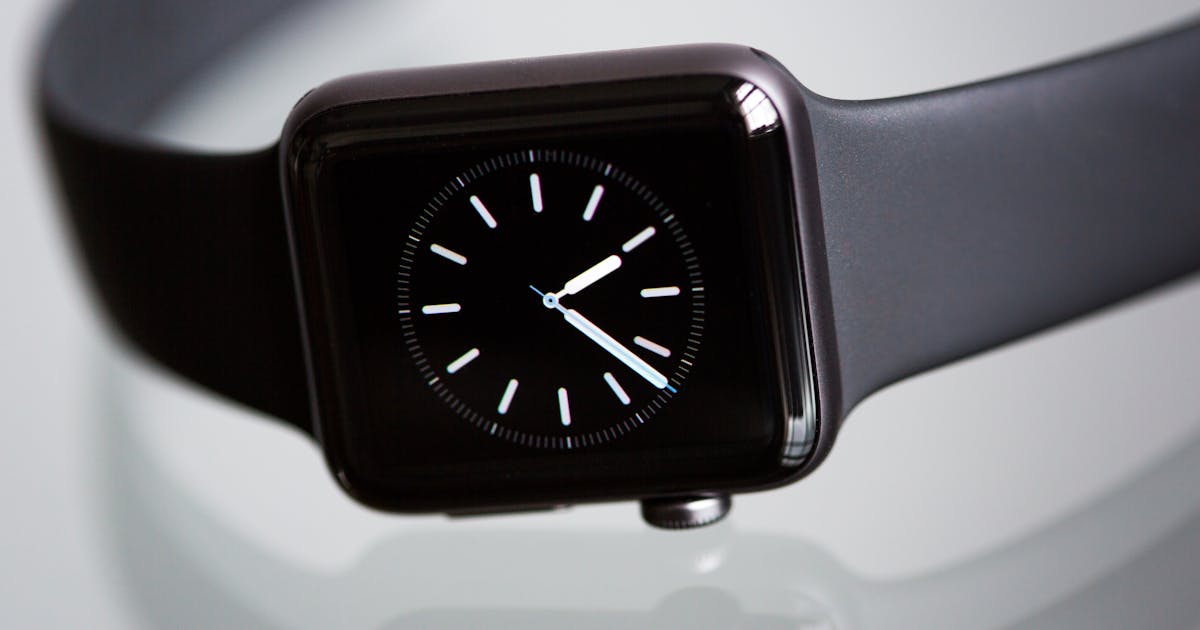
I wore seven fitness trackers for six weeks each, tracking the same workouts, sleep periods, and daily activity patterns across all of them simultaneously where possible (wearing multiple on each wrist for comparison). The accuracy differences are significant — and they’re not always correlated with price.
Here’s what I found.
Top Pick: Garmin Vivosmart 5
Garmin Vivosmart 5
Editor's PickWe may earn a commission if you buy through our links.
Garmin’s health data is better than the competition’s. Full stop. The Vivosmart 5 tracks resting heart rate, sleep stages, Body Battery (an energy reserve metric based on HRV, sleep, and activity), stress (measured via HRV throughout the day), SpO2, respiration rate, and menstrual cycle. The data feeds into Garmin Connect, which is the most comprehensive health analytics platform I’ve used on any tracker.
The form factor is slim and unobtrusive — less watch-like than Fitbit, which means it disappears on the wrist. Battery runs 7 days on a charge. The AMOLED display is clear and readable outdoors. For someone serious about health data, not just step counting, this is the pick.
- Most comprehensive and accurate health metrics tested
- Body Battery and HRV stress tracking genuinely useful
- 7-day battery life
- Slim, wearable form factor — doesn't feel like a smartwatch
- Garmin Connect platform for detailed analytics
- No onboard GPS (connects to phone GPS)
- Garmin Connect app has a learning curve
Best All-Rounder: Fitbit Charge 6
The Fitbit Charge 6 is the most polished fitness tracker experience. The app is the best in the category for accessibility — health data presented clearly without requiring deep engagement to extract value. Google integration (Google Maps, Google Wallet, YouTube Music) makes it more useful day-to-day than a pure tracker. ECG monitoring and electrodermal activity (EDA) stress scanning are meaningful additions.
The trade-off against Garmin: the underlying health data is slightly less comprehensive, and the 7-day battery (with GPS use reducing this to 3-4 days) is competitive but not exceptional.
- Best app in category — health data genuinely accessible
- Google integration (Maps, Wallet, YouTube Music)
- ECG and EDA stress monitoring
- Built-in GPS (no phone required for runs)
- Active Zone Minutes — better goal metric than raw steps
- Fitbit Premium subscription required for some advanced features ($9.99/mo)
- Battery life shorter with GPS active
Best for Runners: Garmin Forerunner 165
If running is your primary fitness activity, the Garmin Forerunner 165 is the tracker to buy. Built-in GPS accurate enough for serious training, running dynamics metrics (cadence, stride length, vertical oscillation), and Garmin Coach adaptive training plans built in. It’s more watch than band, but for dedicated runners it’s the right tool. 11-day battery life without GPS; 19 hours with GPS active.
- Precise built-in GPS for accurate route and pace tracking
- Running dynamics metrics (cadence, stride, vertical ratio)
- Garmin Coach adaptive training plans onboard
- 11-day battery, 19-hour GPS
- More expensive than a fitness band
- Larger watch form factor — not as discreet as a band
Best Budget: Amazfit Band 7
At under $50, the Amazfit Band 7 delivers 18-day battery life, 24/7 heart rate monitoring, SpO2, sleep tracking, and 120 workout modes. The health data isn’t as nuanced as Garmin’s, but it’s accurate enough for general wellness tracking. For anyone who wants the fundamentals without a significant investment, this is the correct pick.
Buying Guide
Calorie burn is not reliable: All fitness trackers overestimate calorie burn, some significantly. Don’t use tracker calories to justify eating more — the margin of error is too large. Use resting heart rate trends and sleep quality as the meaningful metrics.
GPS built-in vs connected: Built-in GPS (Charge 6, Forerunner 165) works without your phone. Connected GPS (Vivosmart 5) requires your phone for accurate route tracking. For running without a phone, built-in GPS is necessary.
Battery life trade-offs: Longer battery = less features or smaller display. Trackers with AMOLED displays and always-on GPS drain faster. Decide what matters more: always-on display or a week between charges.
Sleep tracking accuracy: Wrist-based sleep tracking is directionally useful (sleep duration, rough stages) but not clinically accurate. Use it for trends over weeks, not individual night assessments.