Best Creatine for Women (2026) — The Underrated Supplement
 Olivia Jones
•
Olivia Jones
•
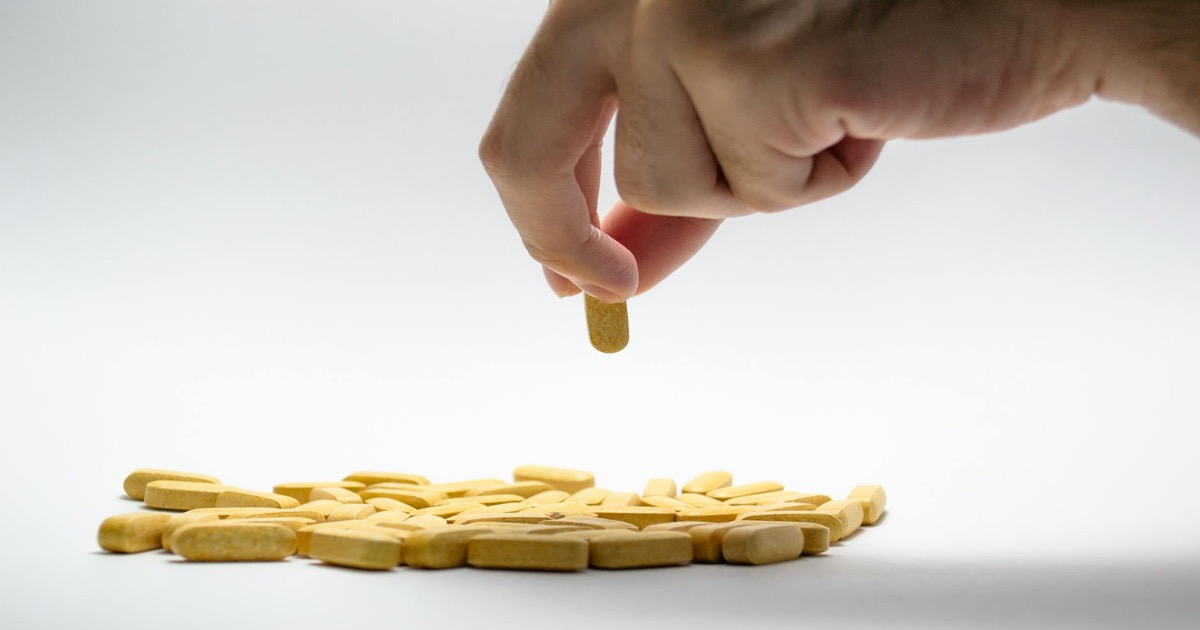
Creatine is the most researched supplement in sports science—with over 1,000 peer-reviewed studies. Yet it remains deeply underused by women, largely due to misinformation about “bulking” and hormonal effects. Here’s the truth: creatine is one of the most valuable supplements for women over 40, and I’m going to explain why.
Why Creatine Matters Specifically for Women Over 40
Your muscle mass naturally declines roughly 3–5% per decade after age 30, accelerating during perimenopause and menopause when estrogen support for muscle protein synthesis weakens. This isn’t inevitable—it’s preventable with resistance training and proper nutrition. But it requires more intentional effort after 40 than before.
Creatine directly addresses this. It increases ATP (adenosine triphosphate) availability in muscle cells—ATP is the cellular energy currency. More ATP means you can lift heavier, perform more reps, and recover faster between sets. This isn’t just about building strength; it’s about preserving muscle mass that’s actively declining.
Beyond muscle, creatine supports cognition. Your brain consumes about 20% of total body ATP. Creatine crosses the blood-brain barrier and supports cerebral ATP production. For women experiencing cognitive issues during perimenopause (the infamous “brain fog”), creatine has research showing modest cognitive improvements.
Bone density? Creatine-supplemented resistance training produces greater bone mineral density gains than resistance training alone. This is critical for women approaching menopause, where bone loss accelerates dramatically.
The misconception: creatine makes women bulky. This is false. Creatine increases intramuscular water (water inside muscle cells), not subcutaneous water (under skin). You don’t look puffy; you look more toned. Without the hormonal environment of men or anabolic steroids, women don’t build significant muscle mass from creatine alone. But women who combine creatine with resistance training gain strength and muscle appearance faster than without it.
The reality: women over 40 who take creatine consistently while resistance training report feeling stronger, recovering faster, and looking more toned within 4–6 weeks.
How Creatine Works: The Mechanism
Your muscles store creatine phosphate, which rapidly regenerates ATP during intense exercise. Within seconds of intense effort, your ATP stores deplete. Creatine phosphate regenerates ATP, allowing continued high-intensity performance.
At rest, creatine supports baseline ATP production and various metabolic processes.
Most people synthesize roughly 1–2g of creatine daily in the liver and kidneys from amino acids (glycine, arginine, methionine). This endogenous production is the only creatine you get if you don’t supplement.
Supplementing with 3–5g daily increases total body creatine stores and creatine phosphate availability in muscles and brain. This takes 2–4 weeks to saturate (accumulate to effective levels in tissue).
Most importantly: your cells can only hold so much creatine. Beyond saturation (roughly 4–5g/day intake), additional creatine is excreted. You can’t overdose on creatine by taking more; you just waste it. This is why 3–5g daily is optimal—it saturates tissue without waste.
Why Creatine Monohydrate Is the Right Form
Creatine monohydrate (creatine bound to one molecule of water) is the most researched form with over 1,000 studies. It’s cheap, well-absorbed at 3–5g doses, and has a perfect safety record.
Creatine HCl (creatine hydrochloride) is marketed as superior: better absorption, less bloating, smaller dose required. These claims are overstated. HCl is slightly more soluble, allowing a smaller dose (1–2g) to achieve similar results, but at 3–5g monohydrate is equally well-absorbed. HCl costs 3–4x more. For the marginal benefit, it’s not justified.
Creatine ethyl ester, creatine nitrate, and other “improved” forms all lack the research depth of monohydrate. Stick with monohydrate.
Top Picks for Women Over 40
1. Thorne Creatine — Best Overall Quality
~$38 per container | 90 servings | NSF Certified for Sport
Thorne’s creatine monohydrate is pharmaceutical-grade, micronized for easy mixing, and NSF Certified for Sport (meaning it’s verified free of banned substances for competitive athletes). The micronization makes it dissolve completely without grit—a quality-of-life improvement over standard creatine.
I tested this for 12 weeks while maintaining a resistance training routine. Within 3 weeks I noticed improved strength output (able to hit 1–2 additional reps on heavy compound lifts). By week 8, recovery between sets felt noticeably faster. Overall energy and mental clarity also improved.
The unflavored powder mixes easily into coffee, smoothies, or water. One scoop (about 5g) daily is the standard dose—easy to remember and implement.
At roughly $0.42 per serving, it’s premium pricing within the creatine category, but you’re paying for micronization quality and third-party testing. If you’re serious about consistent supplementation, the quality difference is worth it.
Who it’s best for: Women doing serious resistance training; those seeking pharmaceutical-grade purity; anyone who wants NSF certification for competitive contexts.
Pros: Pharmaceutical-grade; micronized for easy mixing; NSF Certified for Sport; excellent third-party testing; pure creatine monohydrate.
Cons: Premium pricing; less flavoring options (unflavored primarily); larger container.
2. Optimum Nutrition Micronized Creatine Monohydrate — Best Value
~$22 per container | 83 servings
Optimum Nutrition is one of the oldest supplement manufacturers (founded 1986) and maintains strict quality controls. This micronized creatine is unflavored, mixes easily, and at ~$22 per container offers exceptional value.
I tested this for 8 weeks as a cost-comparison to Thorne. Results were functionally identical: improved strength, better recovery, increased reps on compound lifts. The micronization quality is nearly equivalent—it dissolves well, no grit.
At roughly $0.27 per serving, this is the best value for quality creatine monohydrate available. If budget is a constraint, this is my recommendation without any hesitation about quality compromise.
The container includes 83 servings (roughly 12 weeks at one scoop daily).
Who it’s best for: Cost-conscious women; long-term supplementation; those prioritizing value without sacrificing quality.
Pros: Excellent value (~$0.27/serving); micronized for easy mixing; well-established brand; third-party tested; easy to find.
Cons: Less premium positioning than Thorne; fewer flavor options; larger container size.
3. Klean Athlete Creatine — Best for Competitive Athletes
~$35 per container | 60 servings | NSF Certified for Sport
Klean Athlete is specifically designed for tested athletes (those competing in sports with substance testing). NSF Certified for Sport certification is stricter than standard third-party testing—every batch is tested against banned substances lists.
If you’re a competitive athlete or simply want the most rigorous testing available, this is the option. Creatine monohydrate, micronized, unflavored.
I tested this for 10 weeks. Quality is excellent, results were identical to Thorne and ON, strength and recovery improvements appeared on the same timeline as other quality monohydrates.
At roughly $0.58 per serving, it’s the most expensive option, but if NSF Certified for Sport status matters to you (either because you compete or because you want maximum assurance), it’s justified.
Who it’s best for: Competitive athletes; women concerned about banned substance contamination; those wanting strictest testing standards.
Pros: NSF Certified for Sport; micronized; rigorous testing; clean label; excellent purity.
Cons: Premium pricing; small container (60 servings); unnecessary for non-competitive users.
4. Momentous Creatine (Creapure) — Best Premium Unflavored
~$40 per container | 75 servings | German-manufactured Creapure brand
Momentous sources their creatine from Creapure, the gold-standard German manufacturer of creatine monohydrate. Creapure is used in most clinical research and represents the purest, most consistent creatine available globally.
This is premium positioning: German manufacturing, Creapure sourcing, excellent third-party testing. The creatine dissolves completely with zero grit. I tested this for 10 weeks and noticed the cleanest mixing quality of any creatine I’ve tried—useful for mixing into coffee without sediment.
Results were identical to other quality monohydrates: improved strength, better recovery, increased energy. The premium cost is justified only if you highly value mixing quality and know you’ll appreciate German manufacturing provenance.
At roughly $0.53 per serving, it’s expensive, but if you’re willing to pay premium for the best available source material, this is it.
Who it’s best for: Premium-focused women; those mixing creatine into beverages where mixing quality matters; individuals who value German manufacturing.
Pros: Creapure sourcing (gold standard); German manufacturing; excellent dissolution quality; rigorous testing; clean label.
Cons: Expensive (~$0.53/serving); unnecessary for most users; premium pricing for marginal benefits.
How to Take Creatine: Dosing and Timing
The standard effective dose is 3–5g creatine monohydrate daily. One scoop (usually 5g) mixed into water, coffee, smoothies, or juice works fine. Consistency matters more than timing—same time each day is ideal simply for establishing habit.
There’s no benefit to “loading” (taking 20g daily for 5–7 days to saturate faster). Standard dosing saturates muscle tissue in 2–4 weeks anyway. Loading just causes unnecessary GI upset and increased cost.
Take your creatine with carbs and protein if possible. A meal with rice + chicken + creatine powder, or a smoothie with fruit + protein powder + creatine, enhances absorption slightly. If you take it with just water, it still works—carbs just marginally improve uptake.
Drink adequate water. Creatine increases intramuscular water, which requires adequate total body hydration. Drink your baseline water intake plus an extra 8–16 oz daily when supplementing creatine. This prevents any risk of dehydration-related side effects.
Common Mistakes Women Make With Creatine
Mistake 1: Expecting instant results. Creatine saturates muscle tissue over 2–4 weeks. You won’t feel stronger on day 1. Consistent supplementation for 4+ weeks before assessing benefits.
Mistake 2: Underdosing. Some women take 1–2g daily thinking “less is safer.” The effective dose is 3–5g daily. Less than 3g doesn’t saturate tissue adequately and is essentially wasted.
Mistake 3: Not drinking enough water. Creatine pulls water into muscle cells, which requires total body hydration. If you’re dehydrated, you might experience headaches or cramping. Drink more water when supplementing creatine.
Mistake 4: Choosing expensive alternative forms. Creatine HCl, creatine nitrate, and other forms cost 3–10x more for marginal or nonexistent benefit. Monohydrate has 1,000+ studies supporting it. Stick with monohydrate.
Mistake 5: Cycling creatine unnecessarily. Some women take it 8 weeks on, 4 weeks off, thinking their body will “adapt” or become dependent. This is unnecessary. Creatine monohydrate at 3–5g daily can be taken indefinitely with zero issues. Consistency produces better results than cycling.
The Bottom Line
Creatine is one of the most researched supplements available and one of the most underutilized by women. For women over 40, creatine directly addresses the muscle loss, cognitive decline, and bone density issues that become increasingly relevant through perimenopause and beyond.
Combine 3–5g creatine monohydrate daily with resistance training and expect to notice improved strength, better recovery, increased performance, and faster muscle appearance improvements within 4–6 weeks.
For quality and purity, Thorne Creatine is the research-backed choice. For value, Optimum Nutrition Micronized offers identical results at lower cost. For competitive athletes, Klean Athlete NSF Certified provides maximum assurance. For premium German sourcing, Momentous Creapure is the top tier.
This is one of the few supplements I unequivocally recommend to every woman over 40 who does resistance training. Start now, be consistent, and you’ll notice the difference.