The Best Cat Food for Indoor Cats in 2026: What Vets Actually Recommend
 Sarah Mitchell
•
Sarah Mitchell
•
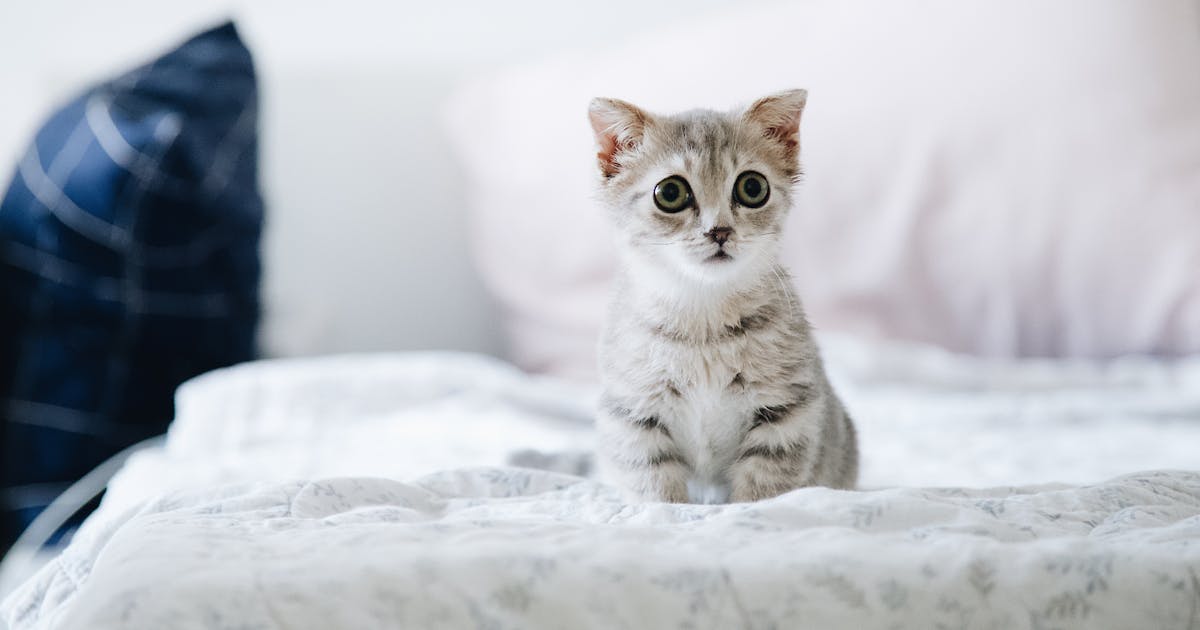
Indoor cat nutrition is shaped by one overriding reality: indoor cats are significantly less active than outdoor cats and consistently underhydrated. The best food for an indoor cat addresses both — calorie-appropriate portions and high moisture content.
I worked through ten formulas with input from a feline veterinarian. Most products marketed to indoor cats address the activity issue (lower calories) but neglect the hydration issue. These four get both right.
Top Pick: Hill’s Science Diet Indoor Adult Cat Food
Hill's Science Diet Indoor Adult Dry Cat Food
Editor's PickWe may earn a commission if you buy through our links.
Hill’s Science Diet Indoor is the most consistently recommended dry food for indoor cats by veterinarians and veterinary nutritionists. The formula is specifically calibrated for the energy needs of indoor cats — not just “regular food with lower fat” as some indoor formulas amount to, but a complete nutritional rethink of what an indoor cat needs. High-quality protein, natural fibre blend for hairball control, and L-carnitine for healthy weight management.
It’s AAFCO feeding trial tested, not just formula analysed. For a dry food, it’s the benchmark.
- Veterinary nutritionist developed specifically for indoor cats
- AAFCO feeding trial tested (not formula-only analysis)
- Natural fibre blend manages hairball shedding effectively
- L-carnitine supports lean muscle maintenance and healthy weight
- Chicken as the first ingredient
- Dry food only — needs to be complemented with wet food for proper hydration
- More expensive than grocery store brands
Best Wet Food: Weruva BFF OMG Variety Pack
Wet food is the most important addition you can make to an indoor cat’s diet, and Weruva’s BFF OMG range is the best value wet cat food I’ve found. Named protein first (tuna, chicken, salmon), no carrageenan, appropriate moisture content (~80%), and AAFCO complete and balanced. The variety pack prevents flavour fatigue — cats will often refuse a food they’ve been eating for months.
Feed as a primary diet or supplement dry food with one wet meal daily for improved hydration.
- ~80% moisture content — excellent for hydration
- Named protein first in every variety
- No carrageenan (a common cat food additive with potential GI concerns)
- Variety pack prevents flavour fatigue
- AAFCO complete and balanced for all life stages
- Wet food is more expensive per calorie than dry
- Pouches require refrigeration after opening
Best for Weight Management: Royal Canin Indoor Adult Cat Food
Royal Canin’s Indoor formula is specifically formulated for reduced-activity indoor cats, with a tailored caloric density and fibre content that helps cats feel full without overeating. The digestive health support is better researched than comparable weight management formulas. For indoor cats with a weight problem, this is the formula to discuss with your vet.
- Caloric density calibrated for low-activity indoor cats
- High fibre for satiety — cats feel full on appropriate portions
- Excellent digestive health support
- Royal Canin's feeding trial research behind the formula
- Premium pricing
- Not all cats like the taste (Royal Canin palatability is lower than Hill's for some cats)
Best Budget: Purina Pro Plan Indoor Care
Purina Pro Plan Indoor Care is the best budget option that still meets the standard of veterinary-grade research and feeding trial testing. Real chicken as the first ingredient, rice for easy digestion, and a formula developed by Purina’s veterinary nutrition team. For indoor cats on a tighter budget, this is where to start.
Buying Guide
Wet food is not optional for indoor cats: Add at least one wet food meal daily. The hydration difference is significant over months and years, and it meaningfully reduces the risk of urinary crystals, kidney disease, and lower urinary tract disease.
Protein percentage on cat food labels: Cat food labels list protein on an “as fed” basis. Wet food looks lower in protein (e.g., 10%) than dry (e.g., 30%) because wet food contains more water. Convert to dry matter basis for real comparison: wet food with 10% protein and 80% moisture is actually 50% protein on a dry matter basis.
Avoid grain-free cat food: Same issue as in dogs — the FDA DCM investigation covered cats too. Current evidence doesn’t support grain-free diets over standard formulations.
Annual vet weight checks: Indoor cats are the population most likely to gain weight unnoticed. At annual checkups, ask your vet to assess your cat’s body condition score and adjust feeding amounts accordingly.