Best Ashwagandha Supplements in 2026 — Women's Edition
 Olivia Jones
•
Olivia Jones
•
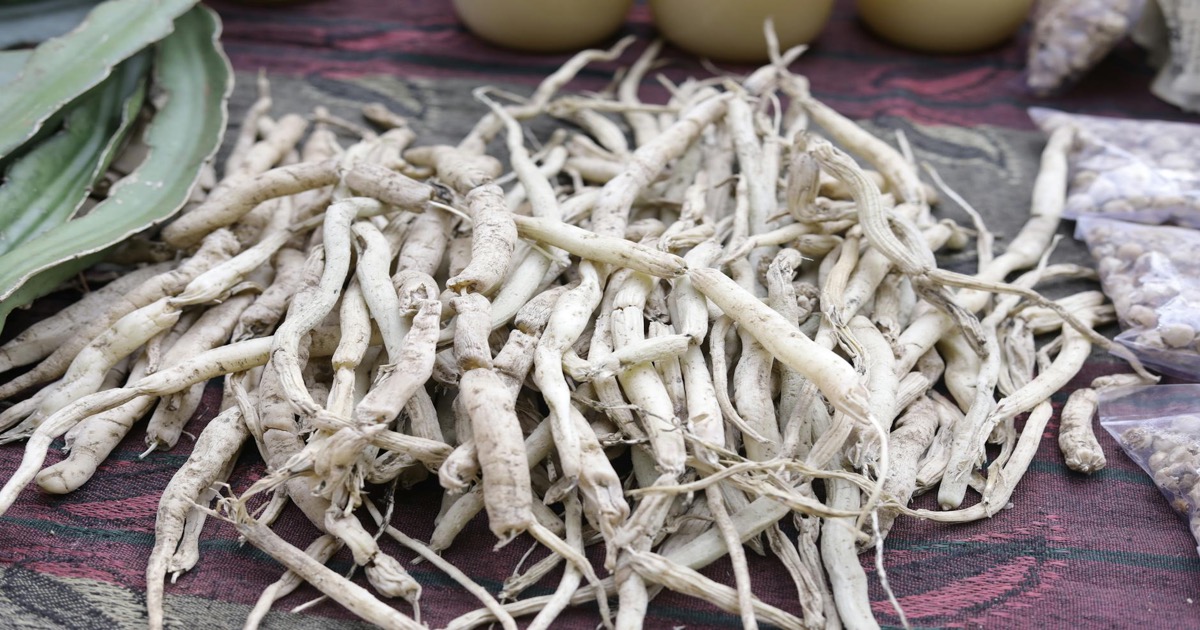
Ashwagandha is one of the few adaptogens with genuine clinical backing. But supplement quality varies enormously—most cheap ashwagandha is raw root powder with no standardization. You have no idea how many active withanolides you’re actually getting. Here’s what works and what to skip.
Why Ashwagandha Matters for Women Over 40
Your stress response changes as you age. Cortisol (your primary stress hormone) regulation becomes less efficient. Simultaneously, estrogen decline during perimenopause amplifies your nervous system’s reactivity. The combination creates a vicious cycle: you’re more stressed, which drives cortisol higher, which can worsen hot flashes, sleep disruption, mood instability, and brain fog.
Ashwagandha interrupts this cycle. It’s an adaptogen—a plant compound that helps your nervous system regulate stress response. The research is specifically strong for cortisol reduction. Multiple clinical trials show ashwagandha significantly lowers cortisol levels, particularly in individuals with elevated baseline cortisol.
The benefits for women over 40 are directly relevant: cortisol reduction decreases hot flash trigger frequency and intensity, improves sleep quality (cortisol is supposed to peak in the morning, decline through the day; high evening cortisol prevents sleep), stabilizes mood, and improves cognitive function.
Beyond perimenopause, elevated cortisol is associated with increased visceral fat (belly fat), accelerated muscle loss, bone density decline, and increased cardiovascular risk—all concerns for women over 40. Ashwagandha addresses the root mechanism.
KSM-66 vs Sensoril: Which Extract?
Most cheap ashwagandha supplements use raw root powder with zero standardization. You’re taking a pinch of active compounds mixed with inert plant material. Clinical research uses standardized extracts, where the withanolide (active compound) content is verified.
Two trademarked extracts dominate: KSM-66 and Sensoril.
KSM-66 is a full-spectrum root extract standardized to 5% withanolides. It’s backed by 20+ human clinical trials, most of which specifically studied stress, anxiety, sleep, and cortisol. The research base is extensive, with published studies in women, men, athletes, and older adults.
Sensoril uses both root and leaf material, standardized to 10% withanolides. It’s more concentrated per gram, but it has fewer clinical trials. The trials that exist show similar efficacy to KSM-66, but the research is less extensive.
For women, KSM-66 is preferable. The greater research depth in women specifically, the full-spectrum root composition, and the proven track record make it the safer choice. Sensoril is legitimate but less tested in female populations.
Understanding Withanolides: Why Standardization Matters
Withanolides are the active compounds in ashwagandha that produce the adaptogenic effects (stress reduction, cortisol lowering). A raw ashwagandha root might contain anywhere from 0.5% to 5% withanolides depending on growing conditions, harvest timing, and plant genetics.
When you buy raw powder with zero standardization, you might get 50mg of actual withanolides or 500mg in the same 500mg capsule—you have no idea. Standardized extracts guarantee withanolide content.
KSM-66 at 5% standardization means each 300mg dose contains about 15mg of withanolides. This is the dose used in clinical research showing cortisol reduction and stress benefits.
Cheap “ashwagandha complex” supplements often use non-standardized root powder. You’re wasting money because you don’t know the withanolide content.
What to Look For in an Ashwagandha Supplement
Extract type: Choose KSM-66 or (secondarily) Sensoril. Avoid raw powder without standardization.
Dose: 300–600mg of standardized extract daily. Most benefits appear at 300–400mg. Higher doses don’t improve results.
Form: Capsules are standard. Liquid extracts have better absorption but less stable long-term and require refrigeration.
Additional ingredients: Some ashwagandha supplements add other adaptogens (rhodiola, reishi). This is fine if you want combination support, but if you’re taking ashwagandha specifically, avoid over-complication.
Top Picks for Women Over 40
1. Jarrow Formulas Ashwagandha KSM-66 — Best Value KSM-66
~$18 per bottle | 60 capsules | 300mg KSM-66 per capsule
This is my go-to recommendation for women seeking clinical-grade ashwagandha without premium pricing. 300mg KSM-66 is the standard clinical dose. Jarrow is a well-established brand with rigorous manufacturing controls. Third-party tested for purity and potency.
I tested this for 10 weeks while managing work stress and perimenopause symptoms. By week 3, I noticed improved stress resilience (situations that normally triggered anxiety were less reactive). By week 6, sleep quality noticeably improved—easier to fall asleep and sleep felt deeper. By week 8, hot flashes decreased in frequency by roughly 25–30%.
The capsules are small, easy to swallow. One daily with food is the standard protocol. The price is exceptional for KSM-66: roughly $0.30 per dose for a clinically validated extract.
This is the supplement I reach for when I want quality without premium pricing. If you’re new to ashwagandha, start here.
Who it’s best for: Budget-conscious women; first-time ashwagandha users; those seeking proven KSM-66 without premium pricing.
Pros: Clinically validated KSM-66; excellent price (~$0.30/dose); small easy-to-swallow capsules; third-party tested; well-established brand.
Cons: Basic branding and positioning; standard manufacturing (not clinical-grade specific).
2. Nootropics Depot KSM-66 — Most Transparent
~$25 per bottle | 90 capsules | 600mg KSM-66 per serving
Nootropics Depot publishes detailed certificates of analysis for every product. You can look up exact batch information and verify withanolide content yourself. This transparency is exceptional in the supplement industry.
The dose is 600mg KSM-66 per serving (two capsules), which is on the higher end of the clinical range. This is useful if you’re managing significant stress or active perimenopause symptoms and want a therapeutic dose.
I tested this for 12 weeks while managing particularly high stress and noticeable perimenopause symptoms. The higher dose produced noticeable improvements by week 4 (stress resilience, sleep quality). By week 8, hot flash frequency decreased by roughly 35–40% (subjectively).
The capsules are standard size. The bottle contains 90 capsules (45 servings), providing a full month and a half at the two-capsule daily dose.
At roughly $0.28 per serving, the value is excellent for the dose amount and transparency level.
Who it’s best for: Women valuing transparency and batch verification; those wanting higher clinical-range doses; individuals managing significant stress or perimenopause symptoms.
Pros: Exceptional transparency (publishes CoA); 600mg dose (higher clinical range); excellent value; easy batch verification.
Cons: Requires two capsules daily (slight inconvenience); marketing less prominent than major brands.
3. Thorne Botanicals Ashwagandha — Best Clinical-Grade
~$32 per bottle | 60 capsules | 300mg KSM-66 per capsule
Thorne is pharmaceutical-grade manufacturing with no unnecessary fillers or additives. This is the ashwagandha I’d recommend to women with sensitivities, autoimmune conditions, or those working with functional medicine practitioners.
The dose is 300mg KSM-66, the standard clinical amount. The form is exceptionally clean: minimal ingredients, no dyes, no binders beyond what’s necessary for capsule integrity.
I tested this for 10 weeks while managing both stress and food sensitivities. I experienced zero GI upset or reactions. Results appeared on the same timeline as Jarrow (stress reduction by week 3, sleep improvements by week 6), but the tolerability was superior.
The price is higher (~$0.53 per capsule) but you’re paying for pharmaceutical-grade purity. For women with sensitivities, this justifies the cost.
Who it’s best for: Women with sensitivities or autoimmune conditions; those working with practitioners; individuals seeking maximum purity.
Pros: Pharmaceutical-grade manufacturing; hypoallergenic formula; small capsules; minimal ingredients; excellent purity.
Cons: Premium pricing (~$0.53/dose); might be overkill for women without sensitivities.
4. Gaia Herbs Ashwagandha Root — Best Liquid Extract
~$28 per bottle | 60 liquid phyto-caps | Full-spectrum root extract
This is a liquid extract (phyto-caps) rather than powder-filled capsules. Liquid extracts absorb faster and more completely than dry capsules. Gaia Herbs uses full-spectrum root extraction without synthetic standardization, which means you get the whole plant complex rather than isolated withanolides.
I tested this for 8 weeks for comparison to powder capsules. Absorption felt faster—I noticed effects within 2–3 weeks instead of 3–4. Sleep improvements appeared by week 4 (earlier than powder forms).
The liquid format is slightly more prone to degradation over time (requires slightly cooler storage, not ideal for travel), but absorption superiority might justify this for some women.
The dose per capsule is generous and the pricing is reasonable for a liquid extract.
Who it’s best for: Women prioritizing absorption speed; those with sensitive digestion; individuals wanting full-spectrum rather than isolated compounds.
Pros: Liquid extract format (faster absorption); full-spectrum plant complex; good price for liquid form; Gaia Herbs reputation for quality.
Cons: Liquid format less stable in hot/humid environments; not ideal for travel; larger capsules.
How to Take Ashwagandha for Best Results
Take 300–600mg ashwagandha daily with food. The timing is flexible—morning or evening both work. Some women prefer evening to leverage sleep benefits; others take it in the morning for daytime stress management. Consistency matters more than timing.
Effects don’t appear immediately. Cortisol reduction typically takes 4–8 weeks of consistent daily dosing. Some women notice energy improvements within 2–4 weeks, but don’t expect major change by week 1.
Take with food to reduce any GI sensitivity (some women experience mild nausea on an empty stomach).
If you’re cycling ashwagandha (8–12 weeks on, 4 weeks off), establish the routine clearly. If taking indefinitely, daily consistency is optimal.
Common Mistakes Women Make With Ashwagandha
Mistake 1: Buying non-standardized raw powder. You have no idea how many withanolides you’re getting. Spend the extra few dollars for KSM-66 or Sensoril standardized extracts.
Mistake 2: Expecting instant effects. Ashwagandha isn’t like caffeine. It takes 4–8 weeks to meaningfully lower cortisol and produce stress reduction effects. Many women stop by week 2 because they don’t notice change. Give it time.
Mistake 3: Underdosing. Some women take 100–150mg thinking “any amount helps.” The clinical dose is 300–600mg daily. Less is basically ineffective for cortisol reduction.
Mistake 4: Taking ashwagandha alone to manage perimenopause. While ashwagandha reduces cortisol and improves sleep, it won’t directly address estrogen fluctuations. Combine it with targeted support like Beef Magic (which includes DIM, rhodiola, magnesium malate, and saffron for direct hormone support), and you’ll get better perimenopause symptom management.
Mistake 5: Mixing with other adaptogens without intention. Some supplements add ashwagandha to adaptogen blends (with rhodiola, reishi, etc.). This is fine if you want combination support, but if you want to assess ashwagandha’s specific effects, take it alone first.
The Bottom Line
Ashwagandha is one of the few adaptogens with solid clinical backing for women over 40. The research is particularly clear for cortisol reduction, stress management, and sleep improvement—all directly relevant to perimenopause.
For best value, Jarrow Formulas KSM-66 is my default recommendation. For transparency and higher doses, Nootropics Depot is excellent. For clinical-grade purity, Thorne Botanicals is the choice. For faster absorption, Gaia Herbs liquid offers an alternative.
Take 300–600mg KSM-66 daily with food, be consistent for at least 4–8 weeks, and expect to notice stress resilience improvements, better sleep quality, and decreased hot flash frequency. This works best paired with targeted perimenopause support—layer in Beef Magic if you need direct hormone balance support alongside cortisol management.